
translated by Pawinnut Chaiyasuan
In housing development across the Global South, providing secure housing is often dismissed as a costly budget commitment with limited economic return. This is a persistent myth. In reality, housing security builds both social resilience and economic growth. When evaluation relies solely on narrow economic indicators, project design and inputs get confined to economic terms alone, producing limited outputs that reinforce the misconception that housing development fails to serve growth objectives and is therefore not worth the investment.
The evidence says otherwise. Housing works as one of the most powerful generators of economic activity available to governments, on par with transport, energy, and digital infrastructure. Every dollar invested in housing construction triggers a multiplier effect through the construction sector’s deep linkages across the economy. In India, one major housing programme generated nearly 1.9 million direct jobs and 4.3 million more through allied industries. Housing is also the primary vehicle for household wealth. In OECD countries, housing accounts for 50 to 70 percent of household assets, and in the Global South this share often runs higher still, since housing substitutes for both formal savings and welfare systems that many households cannot otherwise access.
So how do we capture this true value? Social Return on Investment (SROI) is built to do exactly that. It converts a project’s total returns, monetary and non-monetary alike, into financial value and compares them against every unit invested. Applied to housing development for low-income populations, SROI can demonstrate, with striking clarity, how much economic and social value these projects actually create.
CODI’s ‘Baan Mankong’ housing program has been widely implemented nationwide over the last two decades covering 142,763 households (as of 2026). In order to demonstrate the projects’ value, CODI launched evaluation studies on the impact of the projects in many dimensions. These studies focused primarily on tangible physical, economic, and social development outcomes. Aspects that are not as visible, such as the socio-economic value of the projects, have yet to be properly assessed. CODI had “Baan Mankong Social Return on Investment (SROI) Study”conducted to shed light on the intangible impact of the Baan Mankong program and the added value it produced compared to its initial investment.the week.
What is SROI?
SROI is a method for calculating values that are not typically reflected in financial statements, such as social, economic, and environmental factors. They can determine how well an organization uses its capital and other resources to add value to the community. While traditional cost-benefit analysis is used to compare different investments or projects, SROI is more commonly used to assess the overall progress of specific developments, demonstrating both the financial and social impact an institution or intervention can have.
The Office of the National Economic and Social Development Council (NESDC) is the primary agency responsible for formulating the National Economic and Social Development Plan and recommending various policies to the government. In the 2024 fiscal year, the NESDC began conducting impact evaluations of significant government social projects by applying the Social Return on Investment (SROI) tool. This tool is used to analyze impacts resulting from the implementation of policies or projects by converting the total returns of the project across various dimensions, both monetary and non-monetary, into financial or numerical value. This value is then compared against 1 unit of investment. This approach allows policymakers to see a concrete and clear overview of the results generated by the project, covering both tangible and intangible dimensions, and enables the use of such data to support future policy-level decision-making.
Study Scope
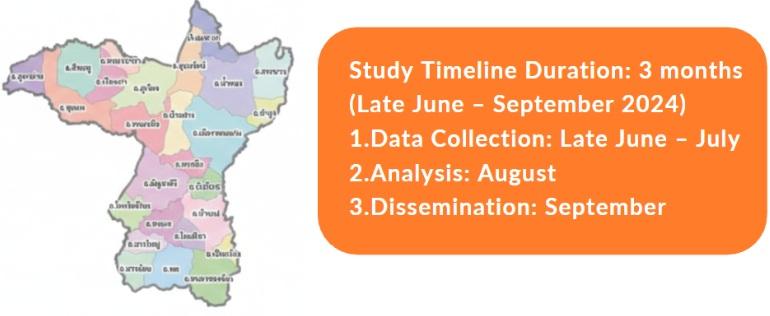
Study Areas: 3 Districts in Khon Kaen Province
1.Chum Phae District: 13 Baan Mankong Communities (Wiman Din, Baan Rom Yen, Sawang Saeng Sri, Baan Khue Chiwit, Baan Mankong Yu Charoen, Nong Ta Kai 2, Baan Non Pho Thong, Baan Mankong Chaeng Sawang Phatthana, Kud Chum Phae Phran Rat Phatthana, Baan Mankong Non Laem Thong Community, Baan Mankong Nong Kha Ne, Baan Mankong Suan Phai, Baan Mankong Phatthana)
2.Mueang District: 95 Kaonaa Nakhon Community
3.Ban Phai District: Baan Mankong Muang Phai Housing Cooperative 4 Ltd. (Pho Dun Village)
Social Return on Investment (SROI) Assessment Concept
Social Return on Investment (SROI) is a tool for Impact Evaluation arising from policies/projects, covering all dimensions.
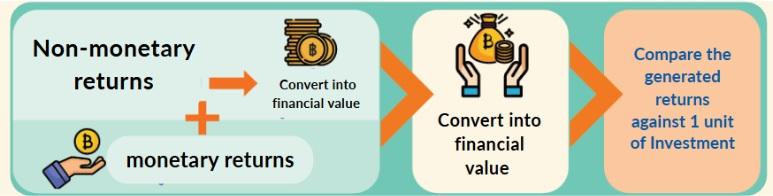
This enables policymakers to more clearly understand the overview of impacts in the form of financial returns generated by policies/projects, and to use this information for decision-making regarding the improvement or formulation of future policies.
Evaluation Principles
The following principles guided the evaluation:
1. Involve stakeholders – Involve stakeholders to inform what is measured and how it is measured and valued from a social account.
2. Understand change – Recognize positive and negative changes, distinguish between intended and unintended changes, and articulate how change is created and evaluated through gathered evidence.
3. Value what matters – When deciding how to allocate resources among different options, consider their value to the stakeholders. Value refers to the relative importance of different outcomes, and it is informed by the preferences of stakeholders.
4. Include only what is substantial – Determine what information and evidence must be included in the accounts to provide an accurate and fair picture that allows stakeholders to draw reasonable conclusions about the impact.
5. Do not overclaim – Only claim the value that is directly created by the activities.
6. Be transparent – Demonstrate the basis for the analysis accurately and honestly and show how it will be reported to and discussed with stakeholders.
7. Verify the result – Ensure adequate independent assurance.
Elements for SROI calculation
SROI can be measured using four main elements, which are as follows:
1. Inputs, or the resources invested in project activities (such as the cost of land and infrastructure construction)
2. Outputs, or the activity’s direct and tangible products (for example, the number of people trained by the program)
3. Outcomes, or the changes in people as a result of the activity (new jobs, better income, improved quality of life for the individuals, increased tax for and reduced support from the government)
4. (Social) Impact, meaning any significant or positive changes that solve or at least address social injustice and challenges that derive from it. Organizations achieve these objectives through deliberate and conscious efforts or activities in their operation and administration.
Key Process of SROI Study
Stages of SROI Evaluation
SROI Prioritizes:
Stakeholders
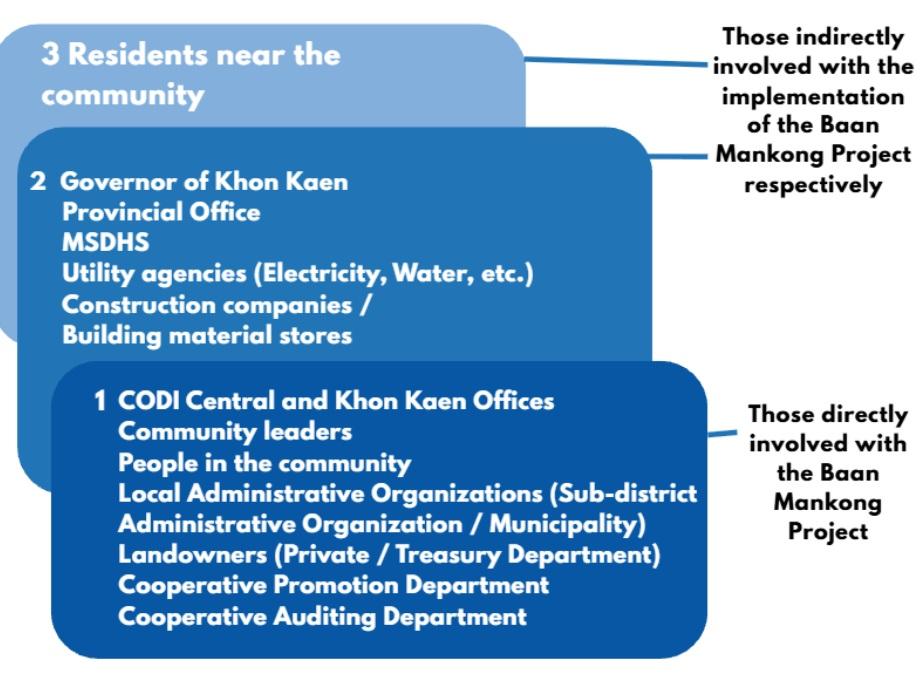
Development or implementation of policies/projects will impact various changes for the primary target groups of the project, as well as other relevant stakeholders. Therefore, the analysis of all project impacts should comprehensively consider the effects on both the target groups and everyone involved in the project.
Impact Pathway
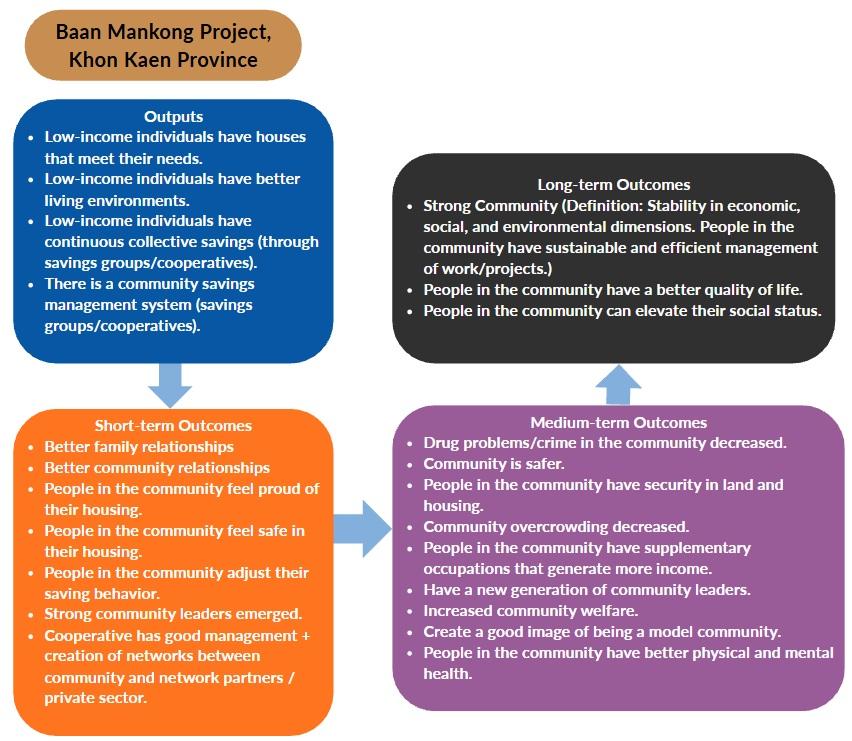
Identifying the Impact Pathway is used to explain the cause-and-effect relationship of factors leading to the final impact with logical detail. This helps in defining indicators and clearly converting the value of generated outcomes into financial value.
The SROI evaluation consists of the following 6 stages:
1. Establish scope and identify key stakeholders: Define the boundaries of the analysis and identify relevant stakeholders to gain an overview of the evaluated subject, understanding the roles of agencies or stakeholders involved, as well as the scope of time and resources used for the evaluation.
2. Develop outcome mapping or impact pathway: Create a logical flow connecting inputs and processes that lead to changes in terms of outputs, outcomes, and project impact. This involves analyzing cause-and-effect relationships based on the Theory of Change, taking into account relevant contexts at each stage of operation that contribute to change by asking “If…, then…” questions.
3. Collect outcome data and assign value: Identify indicators that clearly reflect the outcomes achieved and can be monetized.
4. Assess impact: Gather data on the resulting impact, including other impacts arising from intervening factors, which can be categorized into 3 types: outcomes that would have happened anyway (Deadweight), outcomes created by other interventions or projects (Attribution), and outcomes where one group benefits at the expense of another (Displacement).
However, filtering out these 3 types of intervening effects requires a detailed and time-consuming data collection process. Given the limited timeframe of this study, these 3 types of impacts were not subtracted.
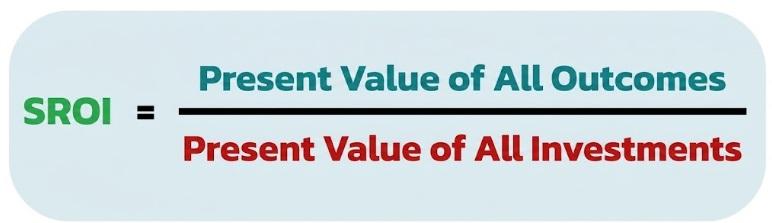
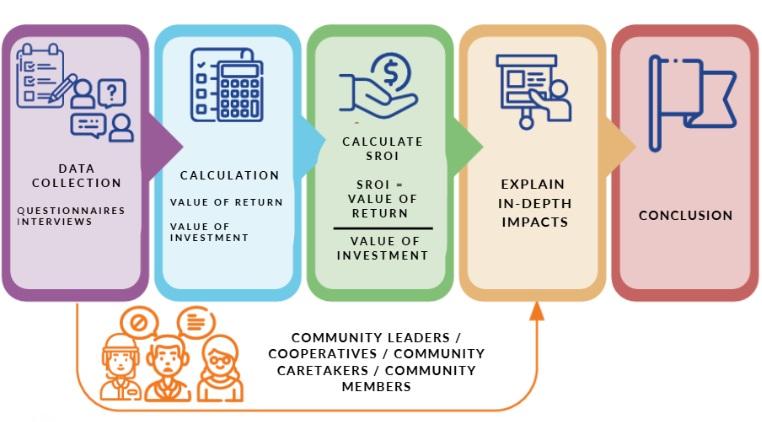
5. Calculate the SROI ratio: Calculate the ratio by dividing the present value (PV) of all total returns by the present value (PV) of all investments.
6. Reporting Results: The results of the analysis should be reported so that stakeholders can be informed and use the findings as a basis for decision-making
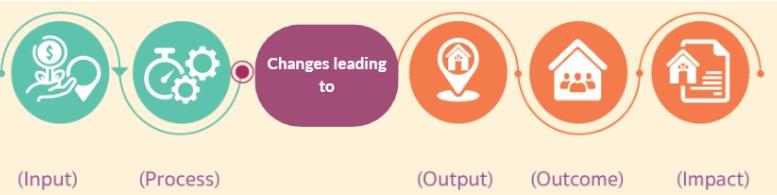
In this study, the analytical framework is defined by applying the Theory of Change, which is a process for analyzing the cause-and-effect relationship.
By considering the relevant contexts at each stage of operation, the method of questioning “If this happens, then what will it lead to (If…, then…)” is utilized. For the Baan Mankong Project in Khon Kaen Province, the cause-and-effect relationship has been defined according to the Theory of Change as follows:
“If housing security is established for low-income individuals in the community, coupled with the development of community management potential by the community members themselves, then it will lead to an elevated quality of life and the creation of strong communities.”
Study Methodology
1. Study and understand the implementation of the Baan Mankong Project
– From documents
– Fieldwork in Khon Kaen Province:
– Learn about the project implementation process, outcomes, and impacts occurring with all relevant sectors in the area: CODI, Government agencies, Private sector, Baan Mankong community leaders
– From interviews with CODI executives
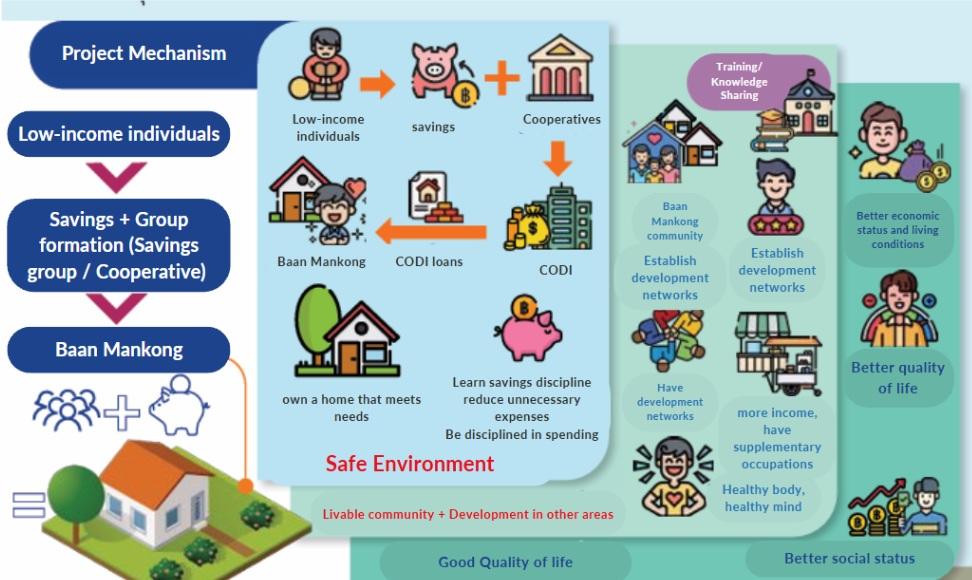
Overview of the Baan Mankong Project Operational Mechanism
2. Identifying Stakeholders
3. Impact Pathway
Identifying the impact pathway of the Baan Mankong Project in Khon Kaen Province will help in understanding the changes that occur with people and communities from project implementation, at the output, outcome, and impact levels.
4. Identifying Indicators and Conversion to Financial Value for Creating Data Collection Tools
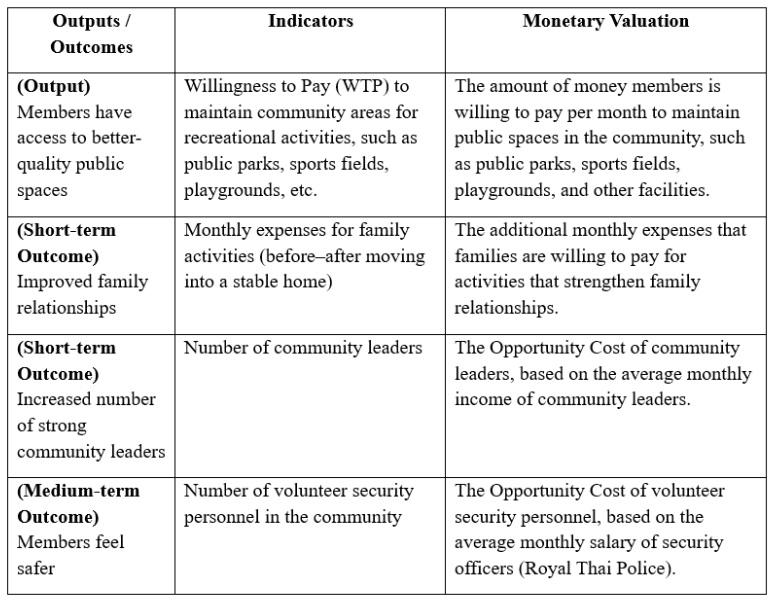
In this step, indicators at the output and outcome levels of the impact pathway are determined, including data and methods for converting indicators into financial value to lead to the design of data collection methods, as well as calculating returns and investments.
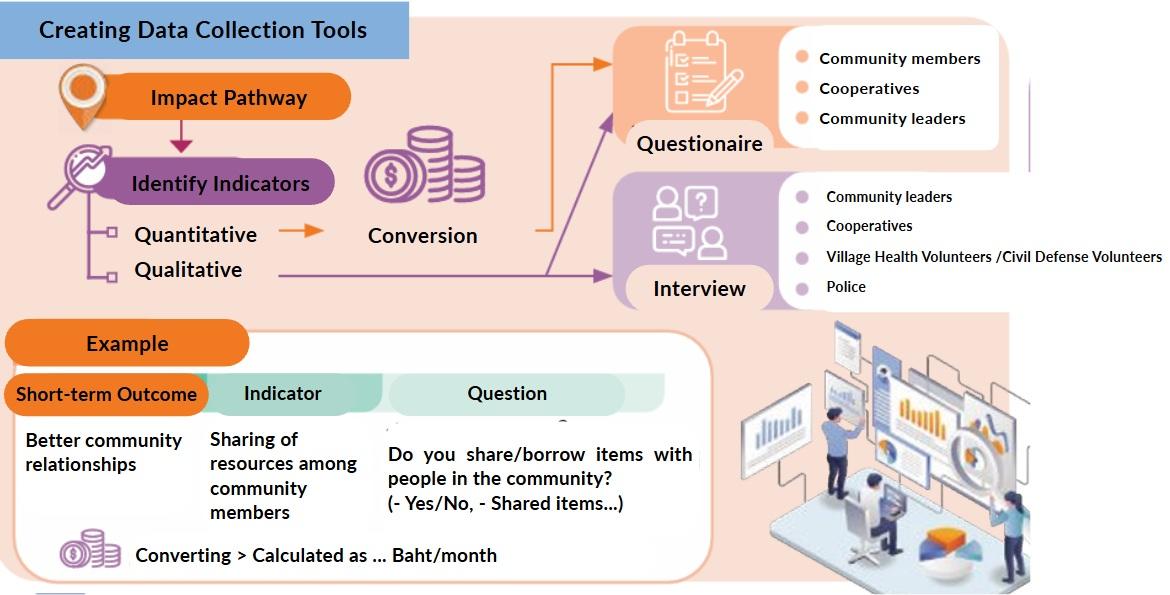
Examples of Indicators and Principles for Monetary Valuation of the Outputs and Outcomes of Baan Mankong Housing Project in Khon Kaen Province
5. Fieldwork for Data Collection
5.1 Questionnaire
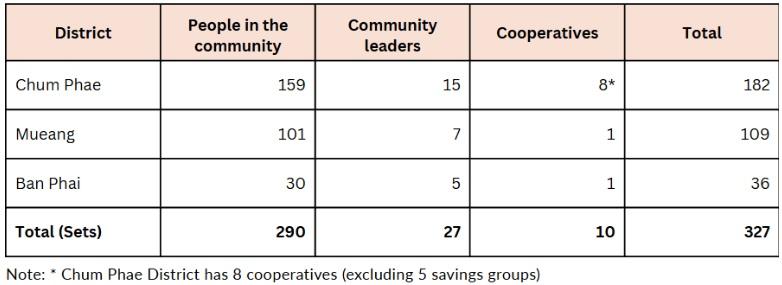
The study team designed questionnaires for 3 sample groups: community leaders, cooperatives, and people in the community. A total of 347 questionnaires were returned, with 327 being complete, representing 94.24% of the total questionnaires received.
5.2 Interview
Interviews were conducted with community leader representatives, cooperative staff, and community caretakers (namely VHV, OTDP, and police) to understand the project’s impact in depth, between July 25-28, 2024.
6. Data Processing
Analyze the processed questionnaire data along with interview data to calculate SROI and gain an in-depth understanding of the impacts. Then, summarize the results and extract lessons learned.
7. Knowledge Dissemination and Transfer
Organize a meeting with relevant agencies to disseminate and transfer knowledge regarding the Social Return on Investment (SROI) assessment tool of the Baan Mankong Project on September 24, 2024, at The Berkeley Hotel Pratunam, Bangkok and in an online format via Zoom Meeting, with approximately 100 participants including government agencies, academics, and relevant civil society networks.
Study Results
SROI Assessment Results
Based on the preliminary Social Return on Investment (SROI) assessment, it was found that the average SROI for the 3 districts in Khon Kaen Province, both overall and individually, is positive and greater than 1. This means that for every 1 Baht invested in the Baan Mankong Project, the value of the return generated is greater than the initial investment. The SROI calculation in this study is still in the process of developing a comprehensive measurement methodology. Therefore, this study report presents the SROI values in terms of whether the direction is positive or negative.
Explanation of impacts occurring in the Baan Mankong community through the participation of community leaders, cooperatives, and community caretakers
Baan Mankong Project in Khon Kaen Province across all 3 districts operates under the same core concept. However, operations depend on different situations and contexts, including the needs and expectations of people in the community, the nature of problems encountered, and methods of resolution.
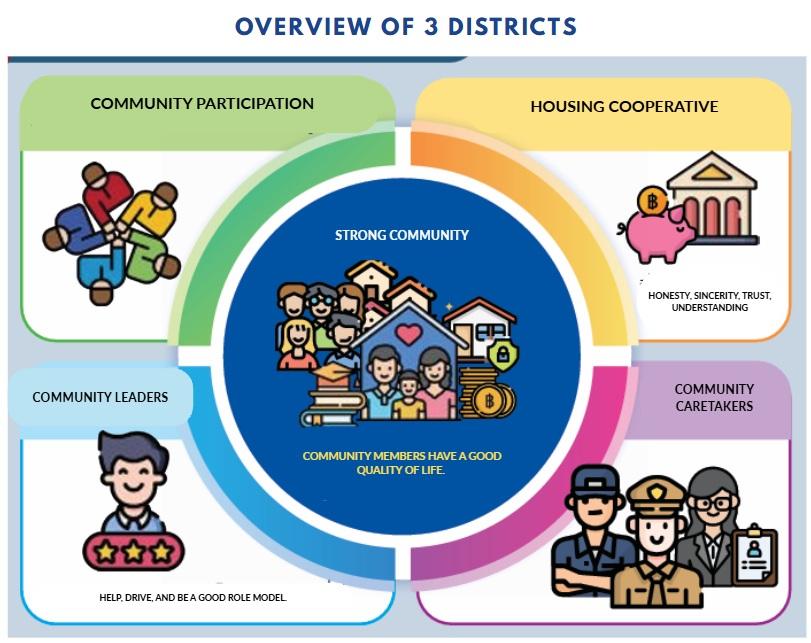
“Bringing people in the community with the same goals together as a group.”
Prioritize the participation of the entire community in thinking, decision-making, and working together.
– Designing the area and environment.
– Systems and management approaches that the community needs.
– Community members participate in planning the development of their own community.
Community participation not only helps community members develop a shared sense of ownership but also fosters attachment and a sense of protectiveness. This leads to a desire to improve their residential community, which helps extend the Baan Mankong project as a sustainable legacy for future generations.
Key Success Factors in Baan Mankong Development
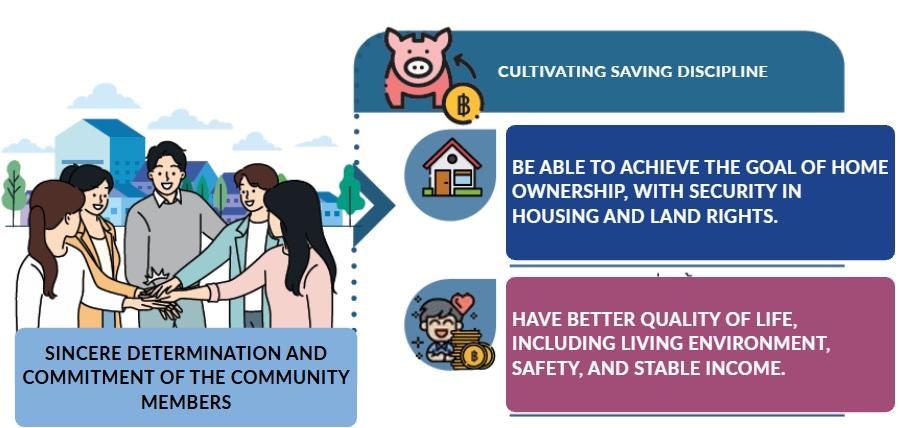
The primary mechanisms driving the success of Baan Mankong in the area consist of 3 key components:
Component 1: Strong Community Leaders
– Possess a clear and correct understanding of the project’s principles and guidelines.
– Have the ability to communicate effectively for community understanding.
– Take action as a role model by demonstrating continuous work.
– Build trust and confidence in the ability to foster cooperation and drive the project to success.
Component 2: Well-managed Cooperatives
Management Highlights of Cooperatives in all 3 Districts:
– Good financial liquidity
– Clear operational plans
– Ready to assist members when problems arise with flexibility appropriate to the situation
– Cooperative Committee Members are Community Members
– Understand the needs of community members
– Understand the living conditions
– Understand the nature of occupations
– Be able to assist members and manage the cooperative accordingly
Component 3: Dedicated Community Caretakers
Community Caretaker Groups: Police officers and various local agencies, Village Health Volunteers (VHV), Civil Defense Volunteers
Roles and Responsibilities:
– Support and provide community services in various areas.
– Provide knowledge and support in managing problems based on the context or immediate situations arising in the community, such as safety and health maintenance, raising safety awareness, managing crime issues, developing good relationships among community members, and building networks between the community and the police to ensure the safety of community members.
“Strong cooperation mechanisms contribute to the well-being of community members.“
An opinion survey of 290 households across 3 districts reflects the effectiveness of cooperation mechanisms between community leaders, community cooperatives, and community caretakers in elevating the well-being of community members in 4 dimensions:
1. Quality of life at household and community levels
2. Savings discipline
3. Housing-related expenses
4. Supplemental occupations
Overview of Respondents
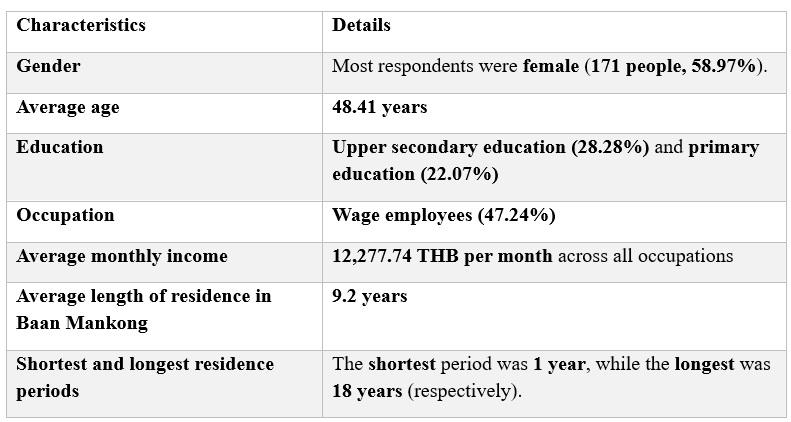
Summary of Changes after joining Baan Mankong
Quality of Life Aspects
Survey Details: Based on feelings regarding various aspects of quality of life in Baan Mankong housing at 2 levels:
1. Household Level: Relationships among family members, family happiness, and mental health of family members.
Result Summary: After moving into the community, it was found that the relationships, happiness, and mental health of community members have changed for the better, particularly regarding the mental health of family members.
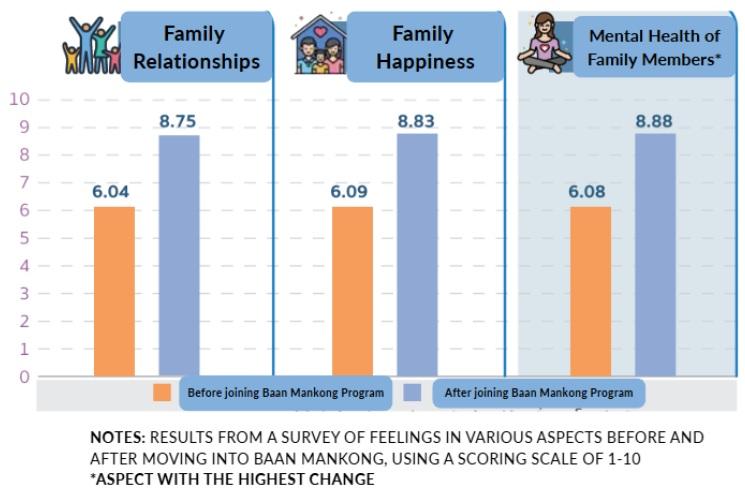
When considered by district, it is found that changes vary according to the characteristics of each community.
Chum Phae District Case:
– Community members in Baan Mankong Chum Phae District experienced the highest level of change in family relationships.
– Most are extended families.
– Work near their homes.
– Have more time to spend together with family members.
Mueang and Ban Phai Districts Case:
– Community members in Baan Mankong Mueang and Ban Phai Districts showed the best improvement in the mental health of family members.
– Most households previously lived in rented houses, railway-side communities, or communities facing chronic flooding.
– There were concerns regarding housing safety and the risk of eviction.
Result: After moving into the Baan Mankong community, the mental health of household members improved compared to their previous residences.
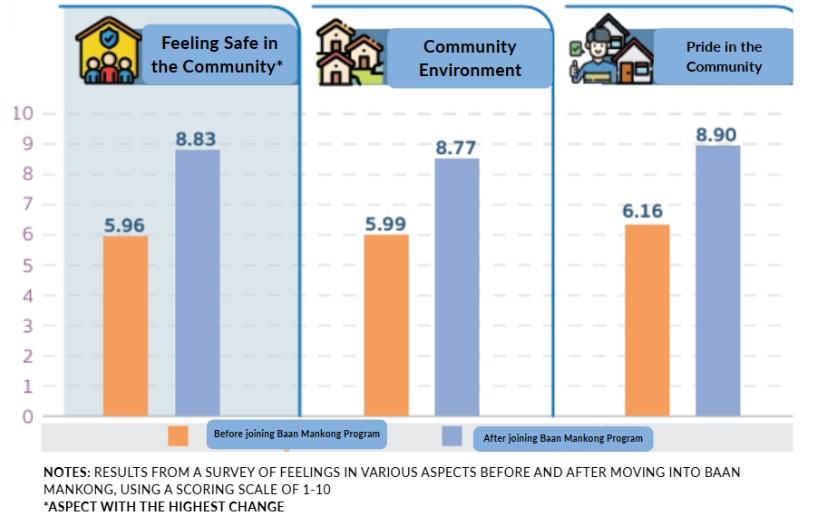
2. Community Level: Feelings of safety, environment, and pride in the residential community
Result Summary
– Positive changes were observed in both the environment and pride in the community where they reside.
– Moving into Baan Mankong resulted in the highest increase in feelings of safety.
Financial Related Aspect
- Baan Mankong helps families develop better saving discipline than before.
Savings in all 3 Districts:
Before moving into Baan Mankong, the number of households stating that family members collectively save money was 38.28%.
After moving into Baan Mankong, – The number of households stating that family members collectively save money increased to 76.90%.
– Families have more saving discipline than before joining the program.
– Everyone in the family sees the importance of saving to make loan repayments.
– The determination to own a house helps cultivate saving discipline for themselves and families.
- Community members have reduced housing expenses and homes to pass on as an inheritance to their descendants.
58.62% of all respondents believe that Baan Mankong helps reduce housing expenses (Baan Mankong installments are cheaper than the previous house rent).
94.14% of all respondents believe that Baan Mankong can be an inheritance for their descendants, passed on housing security to the next generation, help save housing expenses for their descendants.
Livelihood and Life Security Aspects
Baan Mankong supports the development of life security for community members by creating supplemental occupations within the community. 92.20% use their own homes to run business/work, with fellow community members as their customers.
Conclusion
The findings from Khon Kaen Province confirm what the introduction set out to challenge. Housing security is not a budget expense with limited return. It is a driver of measurable social and economic value. Across all three districts, the SROI assessment showed returns greater than the initial investment, with gains extending well beyond the physical structure itself, such as stronger family relationships, improved mental health, higher savings discipline, reduced housing costs, and new sources of livelihood within the community. They were built on community participation, capable leadership, well-managed cooperatives, and dedicated local caretakers working together toward a shared goal. This is the value that conventional economic evaluation misses when it looks only at inputs and outputs. SROI captures the fuller picture, and in doing so, makes the case that investing in housing for low-income communities is not a cost to be minimized but a return worth pursuing at scale.
