by Pawinnut Chaiyasuan
Who gets to decide how the urban and rural poor are housed, the market, the state, or the people themselves?
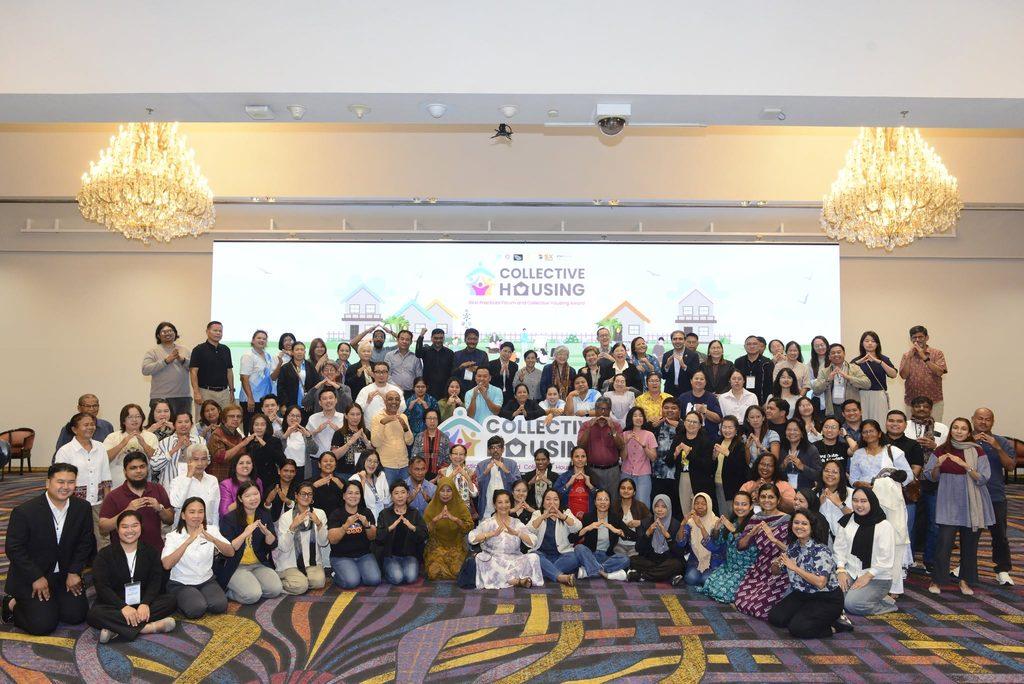
That question ran through five days in Bangkok, where the Community Organizations Development Institute (CODI), the Ministry of Social Development and Human Security (MSDHS), Asian Coalition for Housing Rights (ACHR) and partner organizations hosted the Collective Housing Best Practices Forum and Collective Housing Award 2026, the Asia celebration of World Habitat Day. The programme had different components. A field visit let international delegates see community-led housing on the ground. A forum of presentations, panels and workshops let countries compare methods and obstacles. The Collective Housing Award recognized 87 outstanding community-led housing projects from 13 countries. To qualify, projects had to involve at least 30 households and meet at least five of seven core characteristics, among them collective land, a community fund, collective legal status, participatory design and construction, collective management, network integration and sound financial management.
Learning at the Heart of the Communities
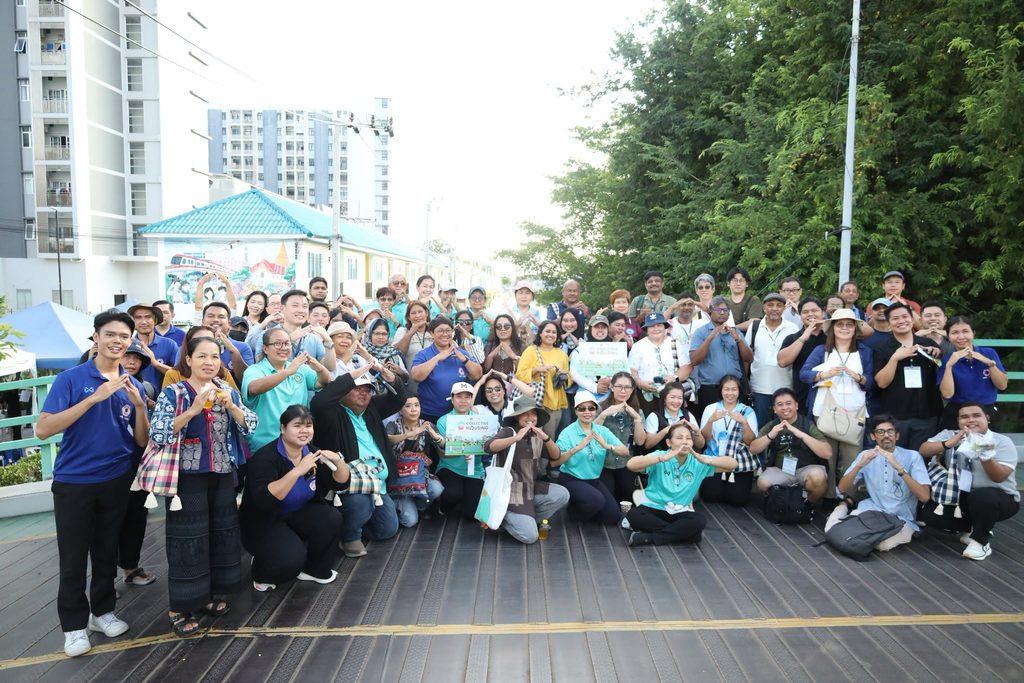
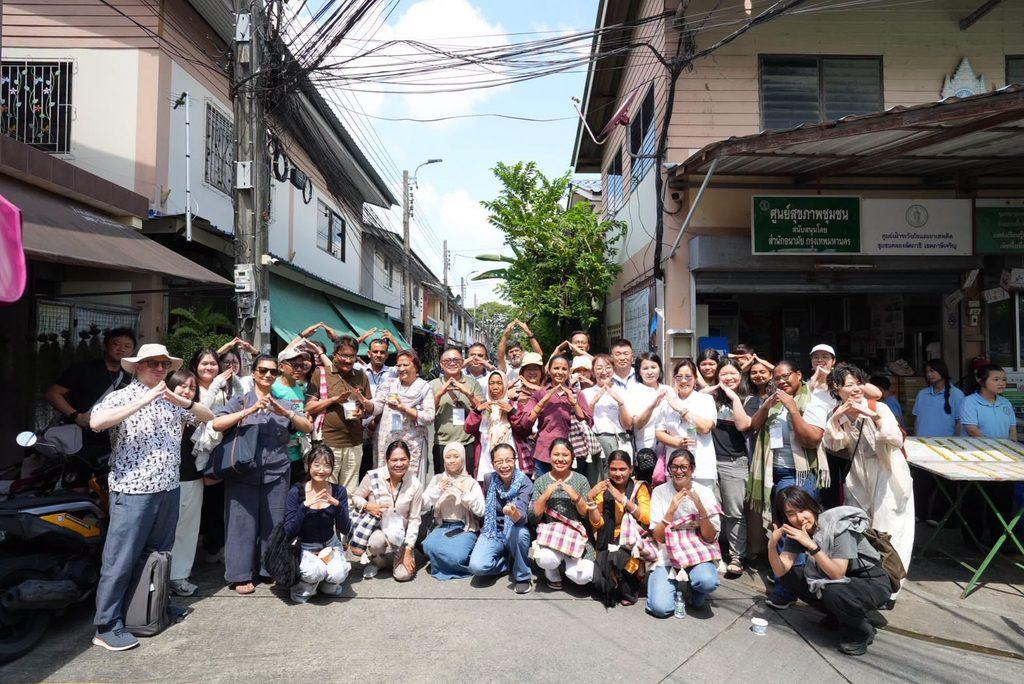
As part of the Collective Housing Best Practices Forum & Collective Housing Award 2026, Community Organizations Development Institute (CODI) led over 80 Thai and international participants, including network partners, housing development experts, community members from across Asia, and university professors, on an inspiring field visit supported by student volunteers from the School of Global Studies, Thammasat University.
This field trip was to give international attendees a firsthand look at community-driven housing development. It provided a valuable space to extract lessons from real fieldwork, exchange perspectives, and build international networks, all as part of our World Habitat Day celebrations.
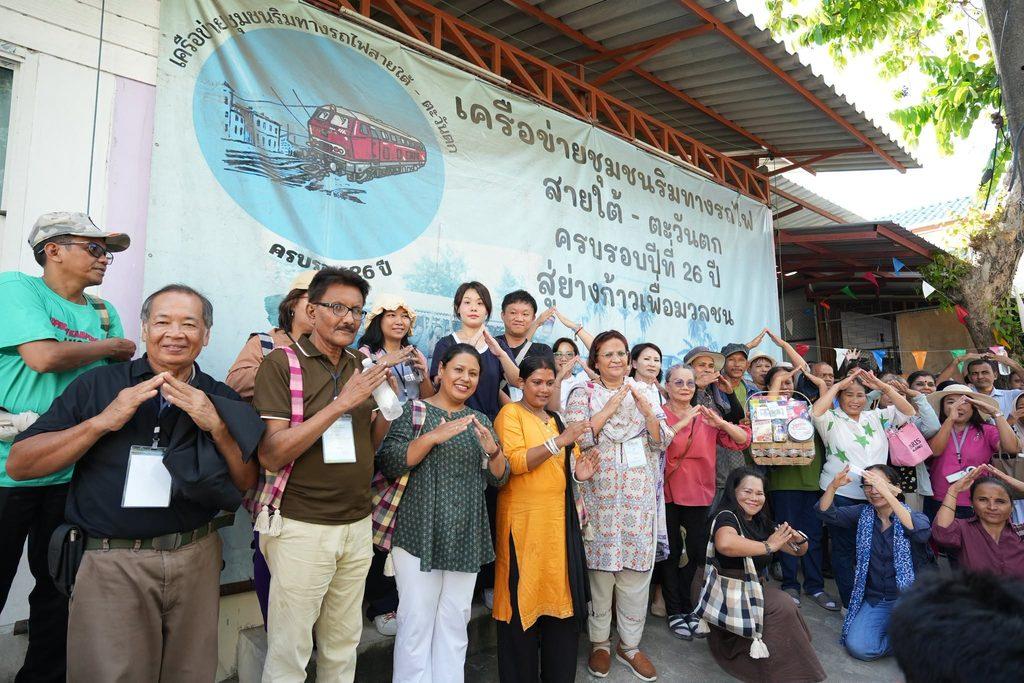
Route A began at the Lat Phachi Ruam Phatthana Canal Housing Community, where community members have cleared all their housing loans, turned plastic waste into fuel, created green spaces for food security and handed community management to a younger generation. The group then visited Fah Mai Ruam Jai Phatthana, a former railway slum. Over 29 years, 180 households from 7 communities united, fought to rent four plots from the State Railway of Thailand, built a savings cooperative and designed their own homes. A panel with the Homeless Association and the Suwit Wat Noo Homeless Center, titled “We are the extreme poor, not the strays,” put the grassroots knowledge of people who have lived without shelter at the centre of the discussion.
Route B started in Wang Thonglang, an example of citywide upgrading, where delegates saw settlements before and after upgrading and learned how local government, CODI and community organisations worked together at city scale. Fair rights screening, joint planning and state cooperation were shown to reduce eviction conflict and widen access to basic utilities. At the Southern Front Airport Community, known as the Yellow House, residents explained how daily and monthly savings finance homes, how designs accommodate children, older people and people with disabilities, and how a community committee keeps construction budgets transparent and homes affordable.
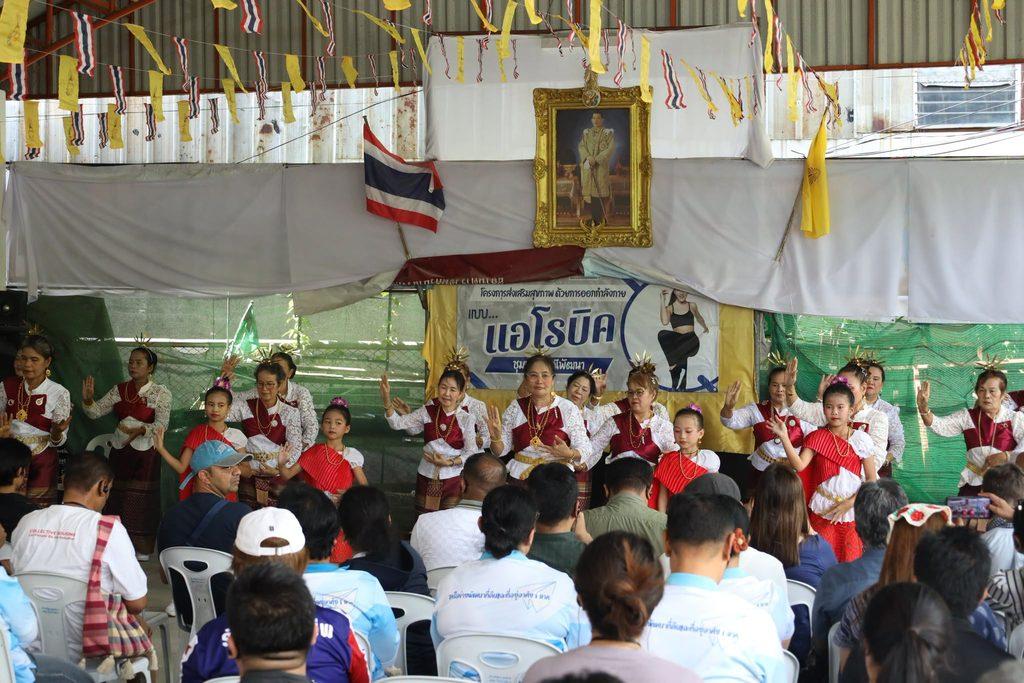
Both routes ended with a joint reception and cultural performances at the Bo Farang Rim Nam Phatthana Community. The day made a simple claim with evidence: when the underprivileged become the owners of their own development, stability and dignity follow, and the model can be adapted anywhere.
Opening Ceremony
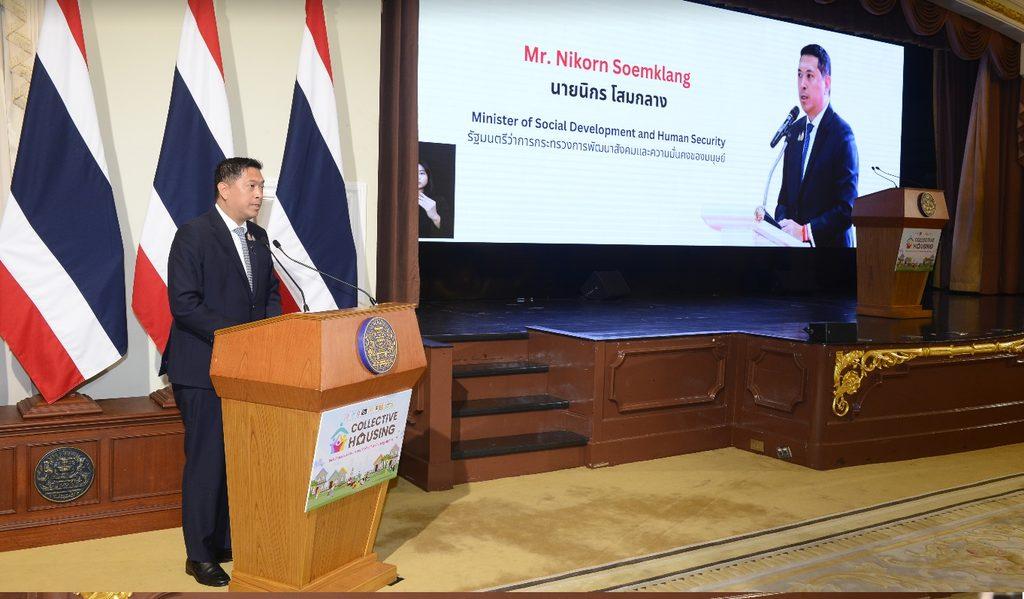
On the morning of October 26, the official opening ceremony at the Santi Maitri Building, Government House, bridged grassroots realities with national policy. Mr. Nikorn Soemklang, Minister of MSDHS, laid out a bold vision, asserting that housing is not mere welfare or a house-building charity, but a strategic tool to restore human dignity and lay economic foundations from the bottom up. This was reinforced by Deputy Prime Minister Prof. Dr. Yotchanan Wongsawat, who proposed a balanced “middle path” that empowers citizens as active agents of change through collective savings, land tenure, and participatory design.
Furthermore, Ruby Papeleras, Sanong Ruaysungnoen and representatives from Asian communities expressed their gratitude to the Thai government, praising the Thai development model as a profound regional inspiration. Ruby Papeleras stressed that collective housing is about real achievements, rights and social support, not buildings. Communities begin as scattered individuals with no money, technical knowledge, trust or recognition, and these are not houses built by outsiders and sold to the poor. She added that urban poor communities can scale up at much lower cost if governments provide inclusive finance, flexible rules and shared responsibility. Additionally, Sanong Ruaysungnoen described more than twenty years of work in Chum Phae with 13 housing projects, over 1,500 households, five cooperatives that have fully repaid their CODI loans, and 38 rai of city-centre farmland bought by members pooling 5 Baht each. Her point was that housing alone does not secure survival but livelihood must be secured too.
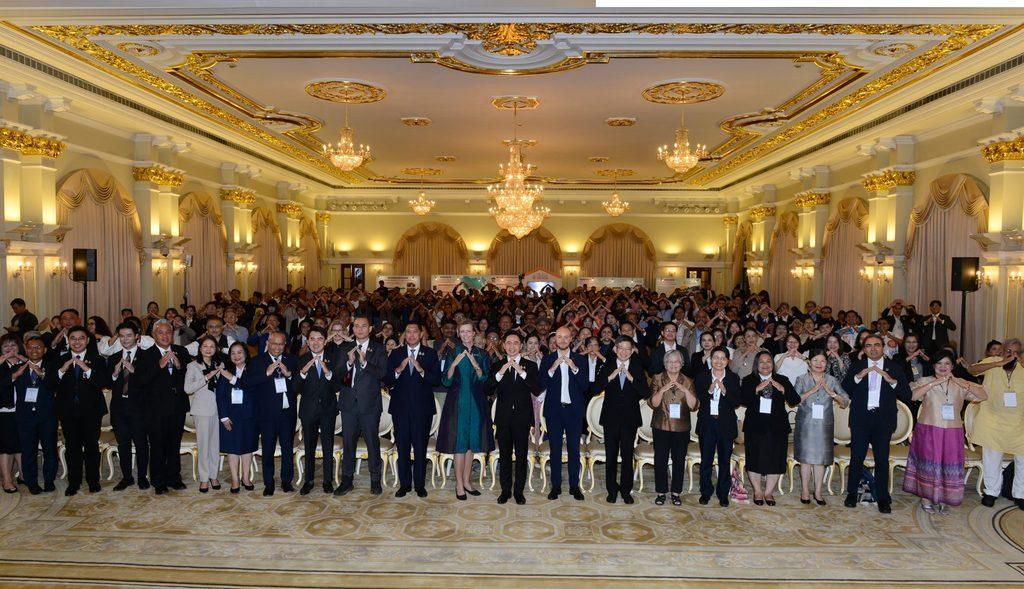
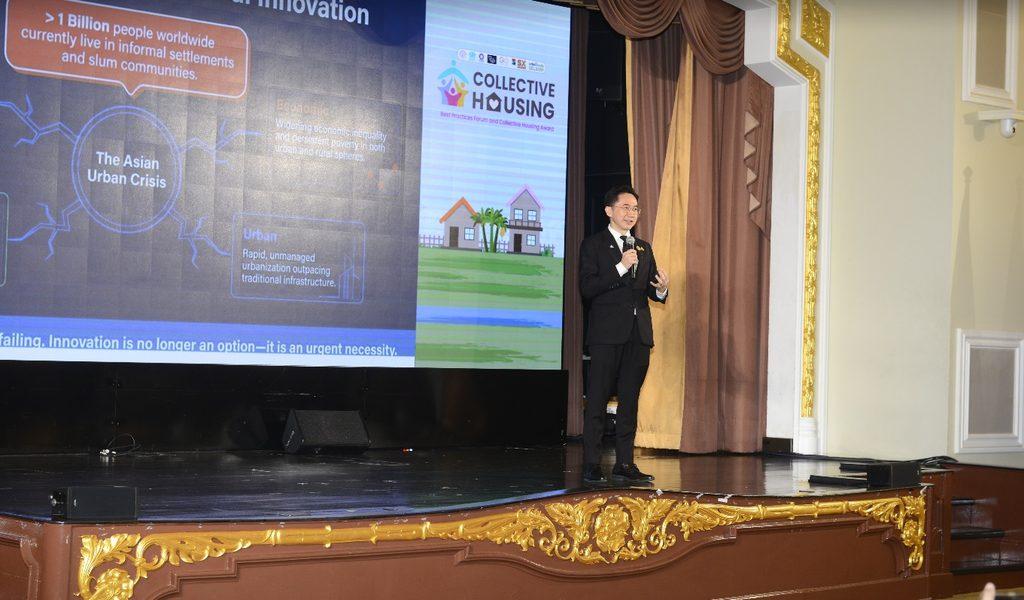
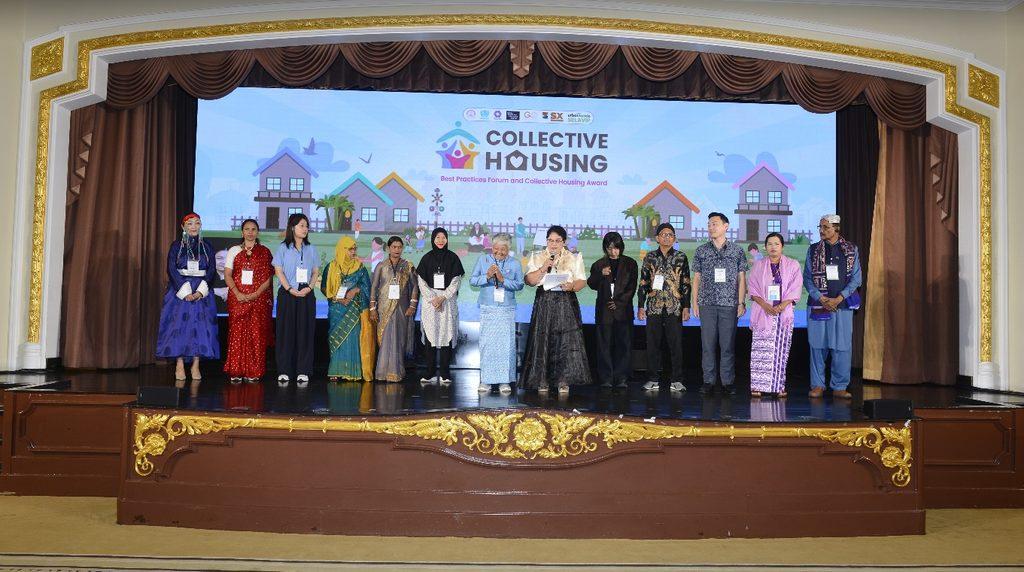
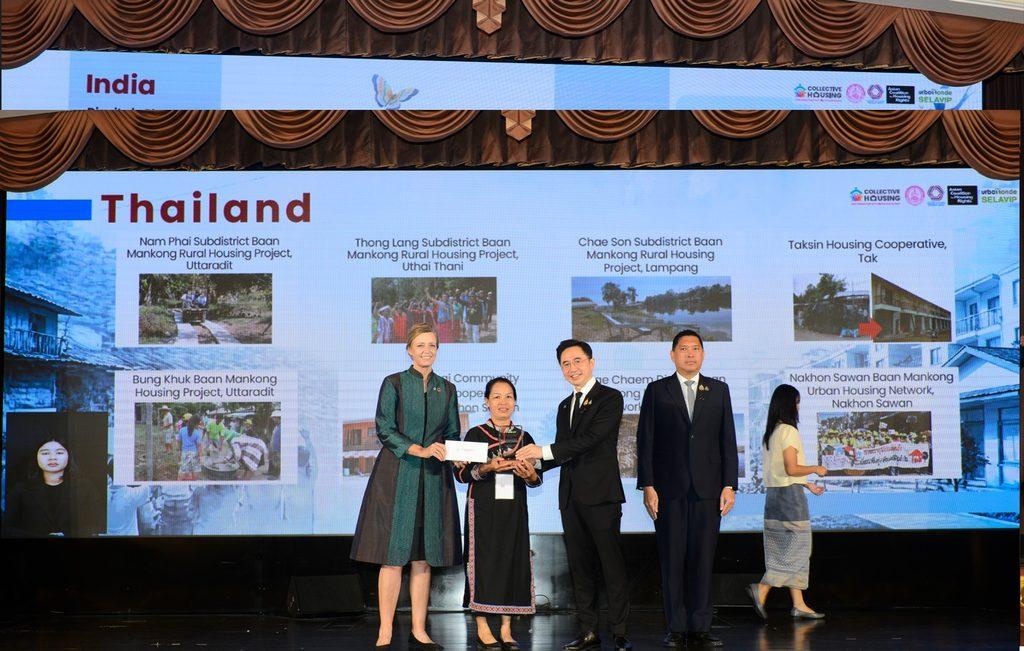
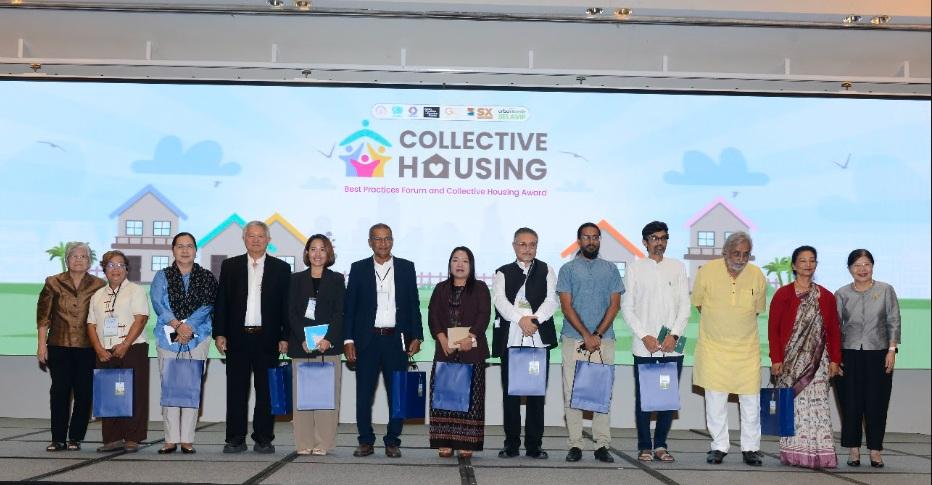
The ceremony closed with the presentation of awards to 87 community-led housing projects from 13 countries, and a joint photograph of governments and community representatives side by side.
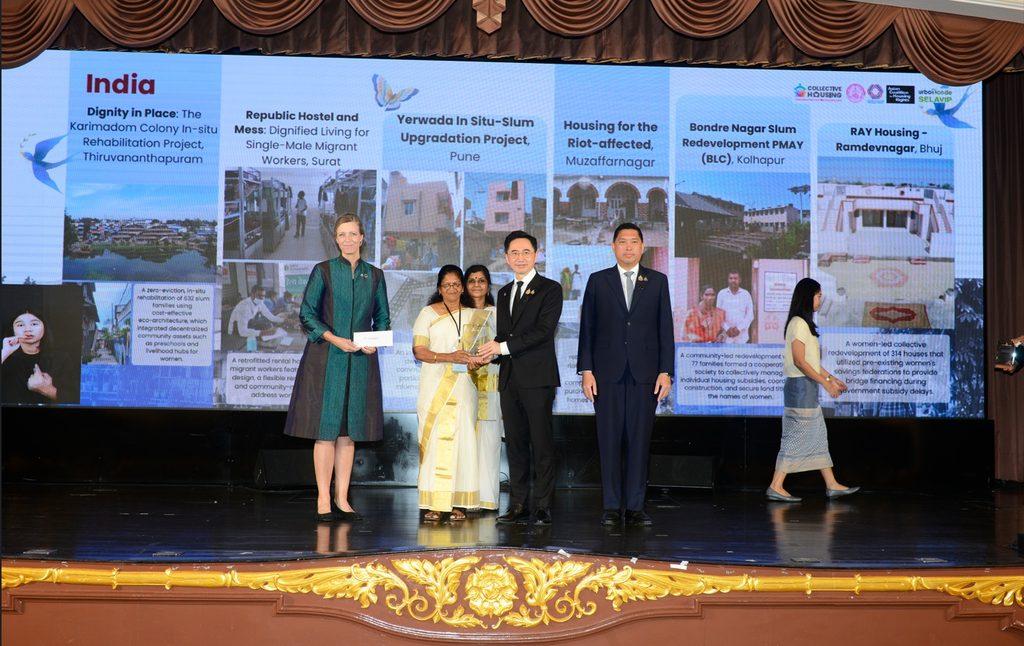
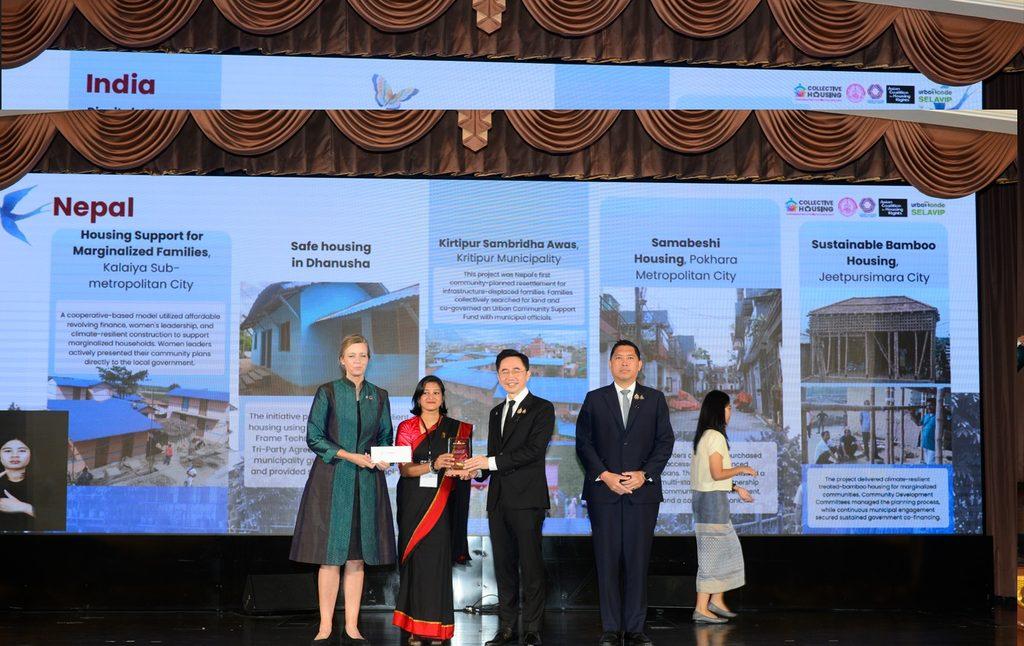
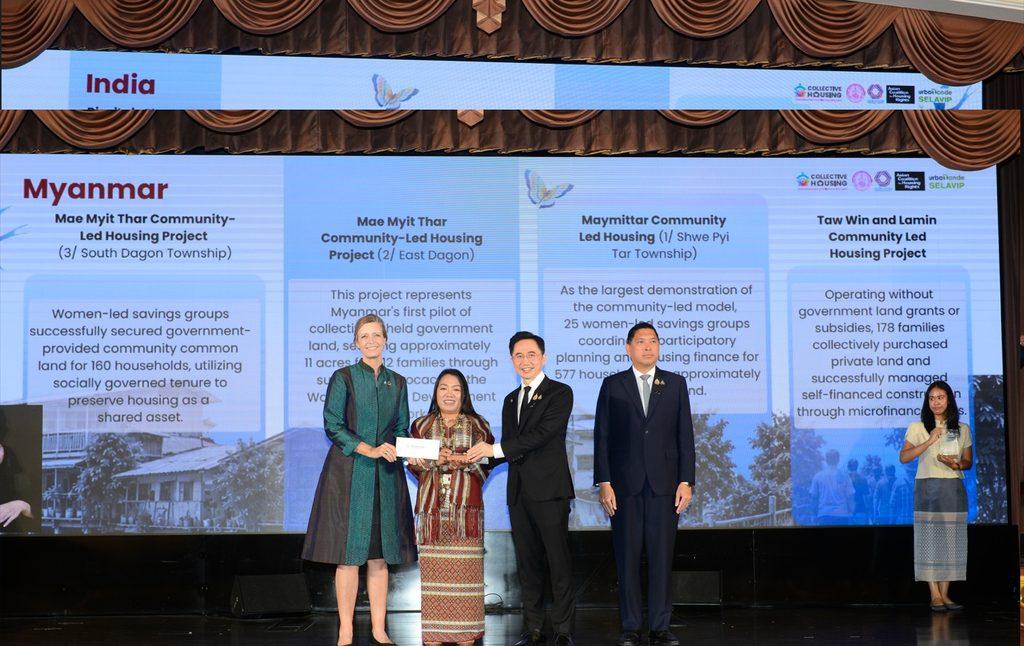
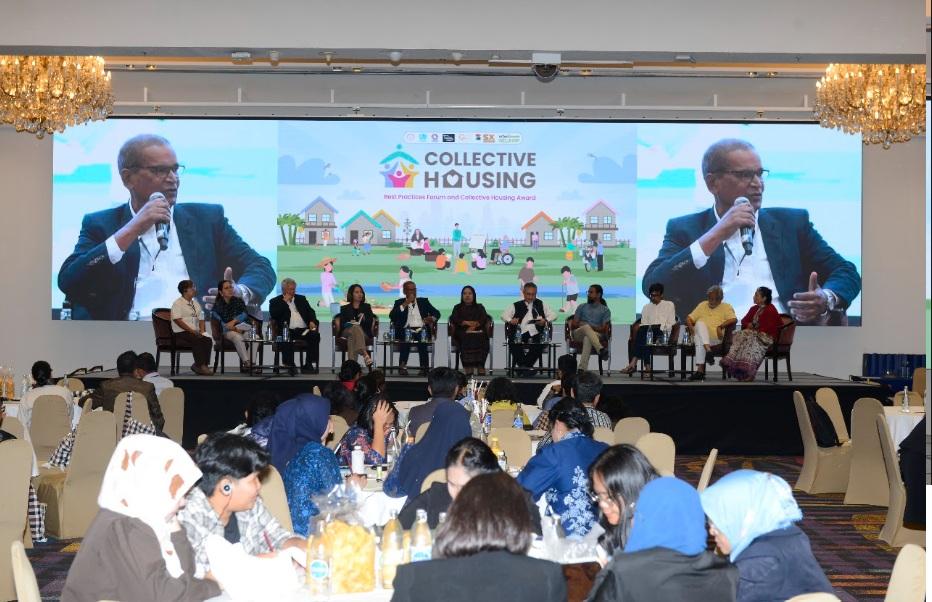
The afternoon panel discussions brought together international voices to articulate the philosophy of community-driven housing. Kirtee Shah from India delivered a profound observation on the process, “These houses don’t become bigger and better because community participate. Good process changes people completely, a transformative process, and we must realize that dimension of transformation”. Representatives from the Philippines further urged governments to view formalized settlements as long-term economic assets rather than liabilities.
Asian Solidarity and the Power of the People
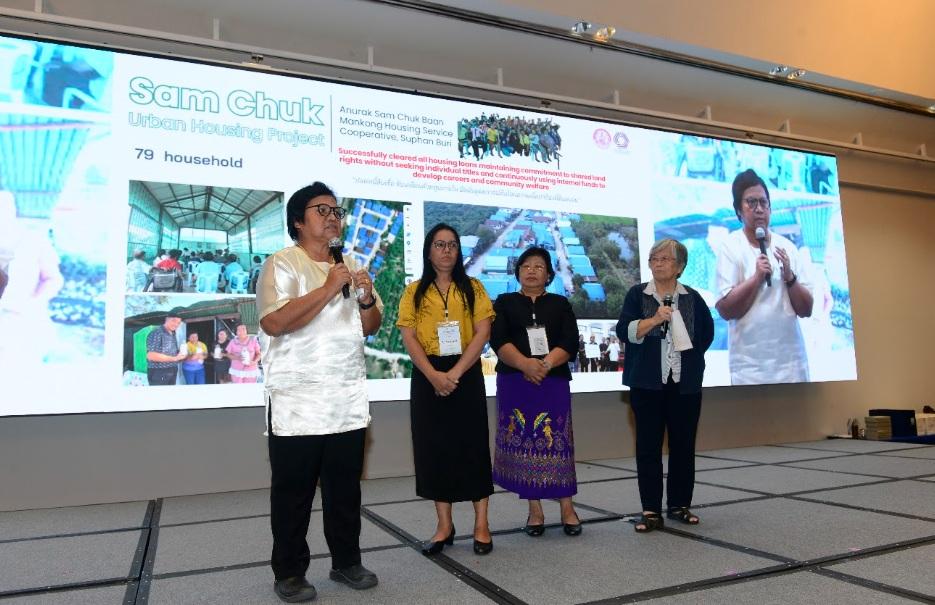
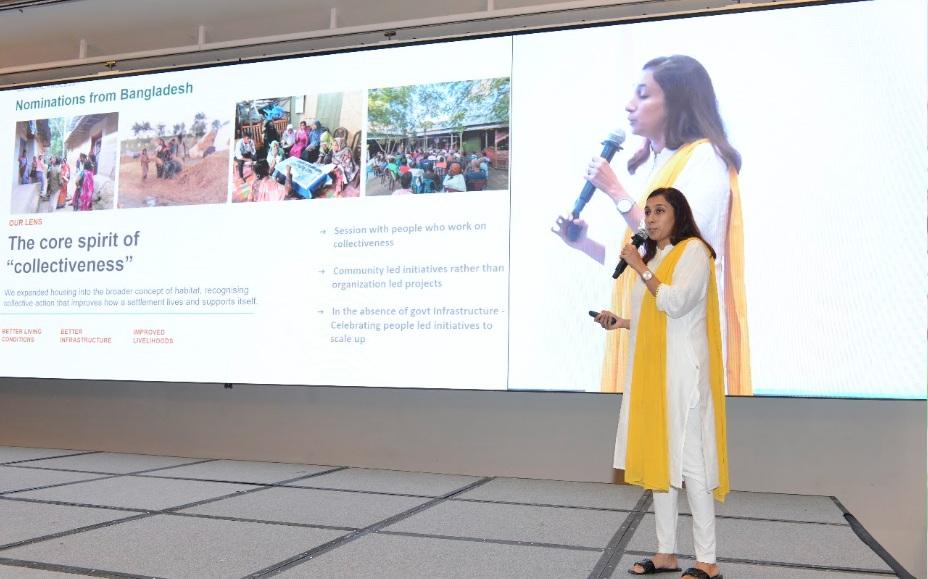
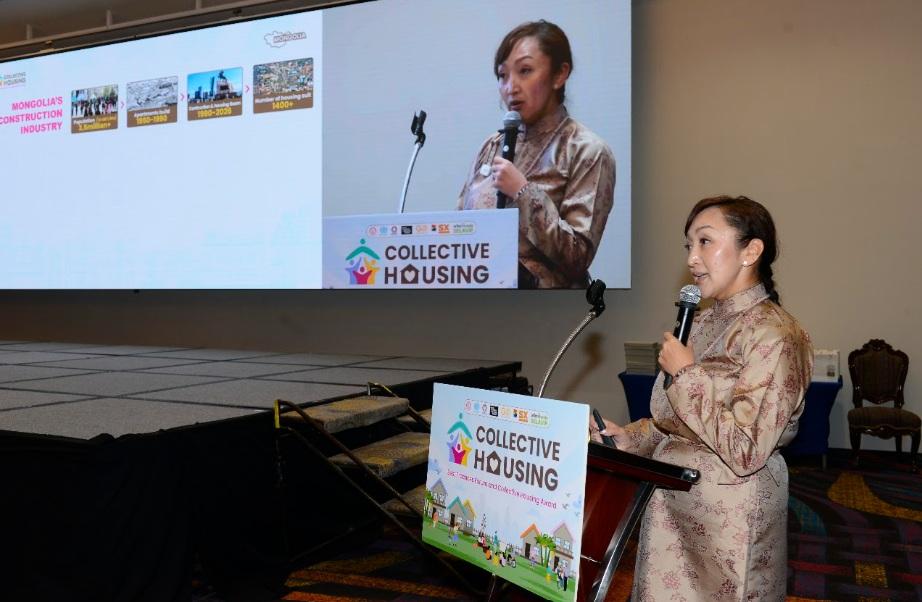
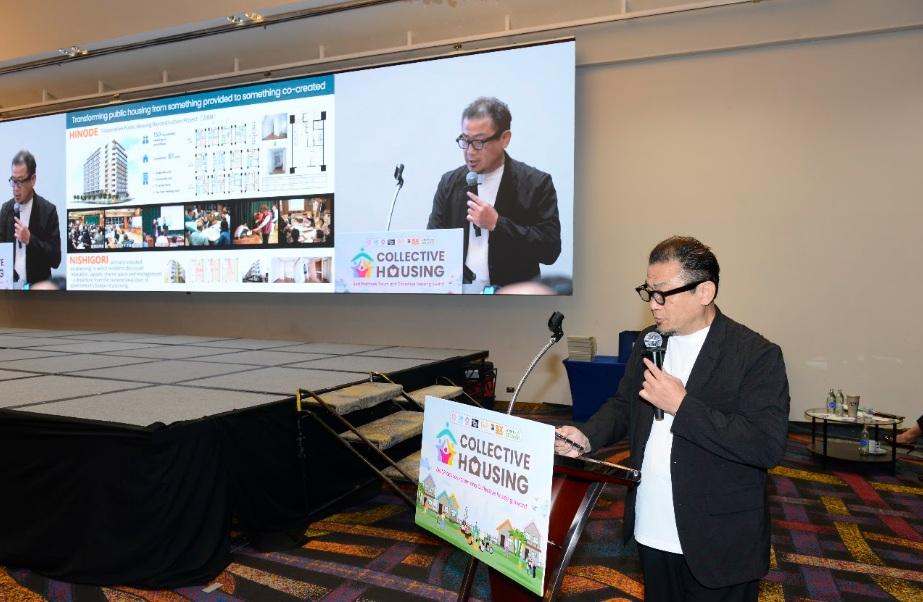
October 27 was dedicated to cross-country learning, showcasing diverse typologies of urban resistance and resilience. From post-disaster reconstruction by women builders in Pakistan to the mandatory savings programs of transitional housing in Hong Kong, communities are capable of managing complex developments when given the space. Thailand alone presented 52 award-winning initiatives, highlighting the evolution of Baan Mankong across city-wide upgrades, canal settlements, and rural land reform. Reflecting on these achievements, Somsook Boonyabancha delivered a critical warning based on regional histories, “If it’s totally a top-down policy and the people are not a part of that… no matter how progressive the policy, it is not sustained in the long term”. Chalermsri Radakul, Deputy Director of CODI, reinforced that the state’s role is to act as an enabler, not a dictator, allowing the problem owners to design their own solutions.
Deep Dive Workshops and Generational Continuity
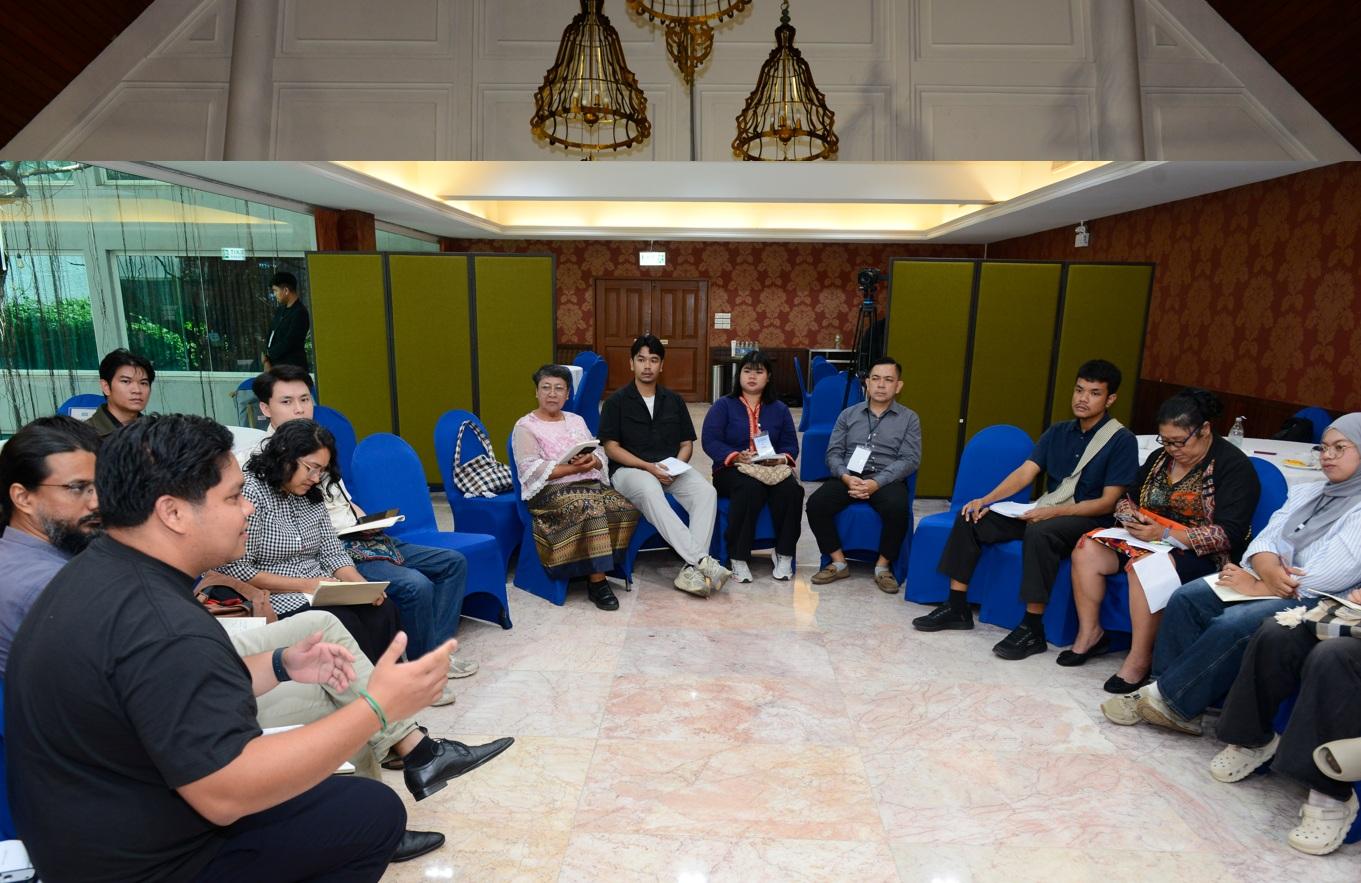
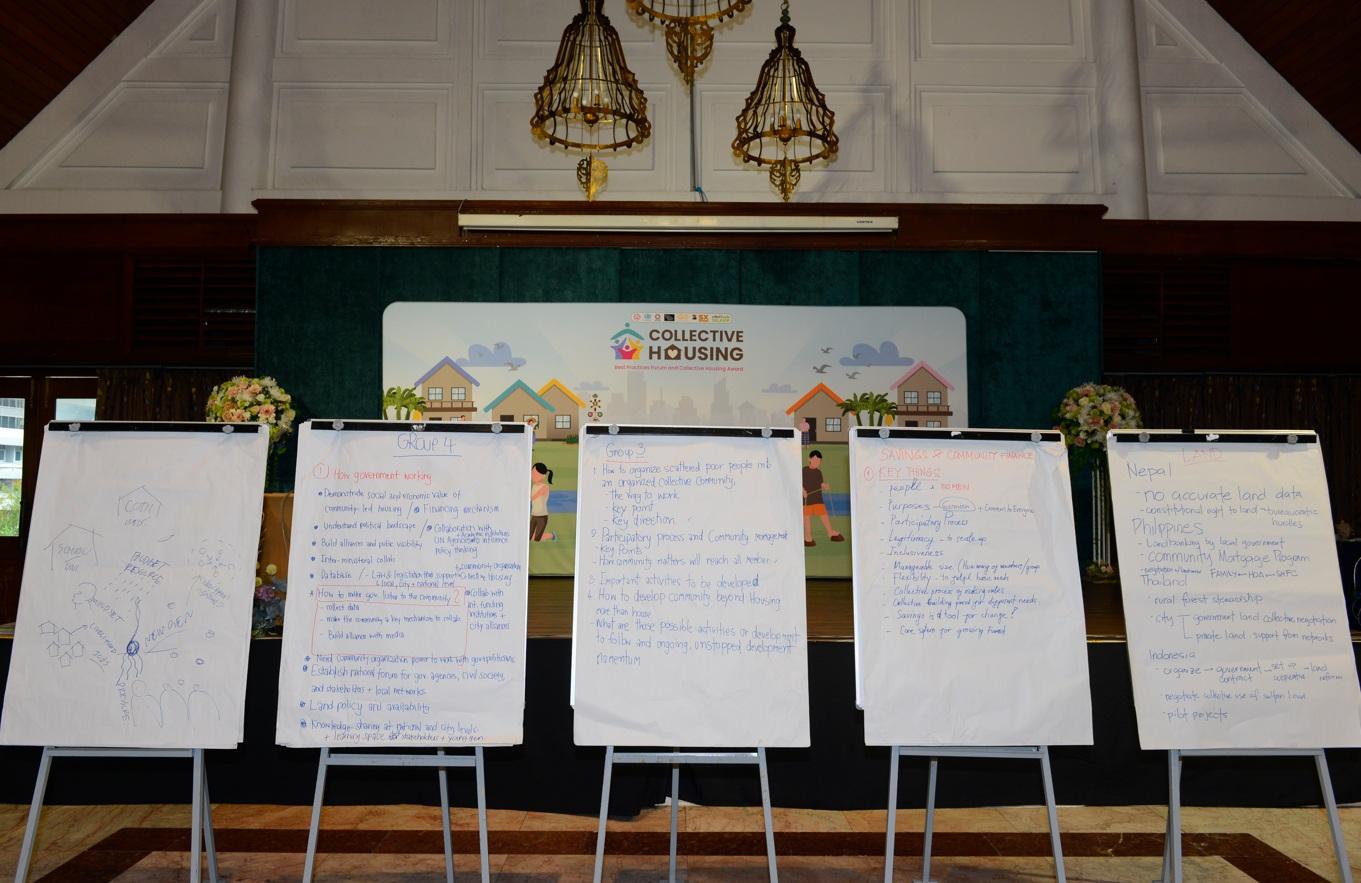
Through six thematic workshops including topics of Collective land, Community finance, Community organization, networking and building partnership, Roles of government and policy support, Getting, creating bigger spaces for the NewGen, and Rural collective upgrading and rehabilitation on October 28, participants unpacked the mechanics of collective land, community finance, and policy support. A standout realization from the community finance session was that savings groups are not just financial tools but they change mindsets from vulnerable to honorable.
Closing Syntheses and the Way Forward
The final day synthesized the forum’s urgent political and social mandates. Prof. Bharat Dahiya noted that Thailand’s success scaled nationally due to CODI acting as a dedicated institutional champion, challenging other nations to cultivate similar hybrid mechanisms. True regional solidarity requires continuous, decentralized action. As Somsook Boonyabancha emphasized, “Don’t do the activity for the sake of activity… We are at the changemaker level. We have to think more and make use of resources in a more complex way to make difficult change in our countries possible”.
The forum concluded with a resounding call to action from Thai grassroots leader Mae Mu, reminding governments and development agencies alike that the power to shape the future lies in the hands of organized citizens,
“Start today. It’s good enough to start something like a small drop of water. When you put it together, it grows. Do it now, do it today. From small amounts of money pooled together into a fund, it creates the power to change things in the right direction by the people”.