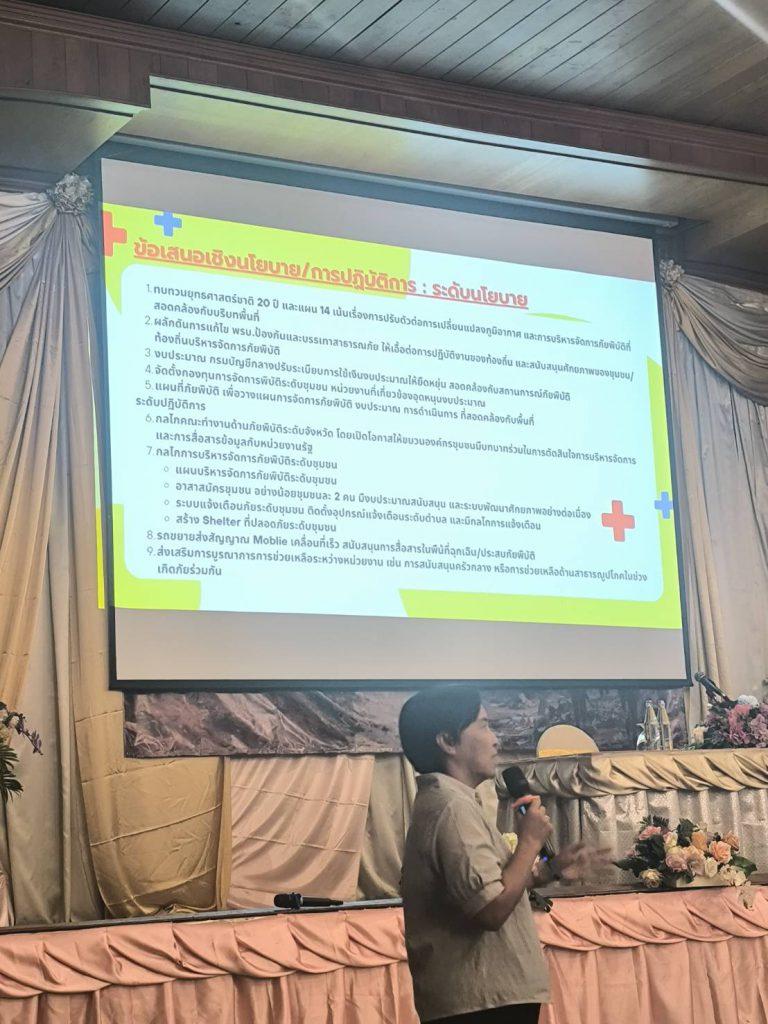
From “Knowledge Development Project for Capacity Building of Practitioners, Community Leaders, and Partners in the Baan Mankong Program” on November 8, 2025
by Pawinnut Chaiyasuan
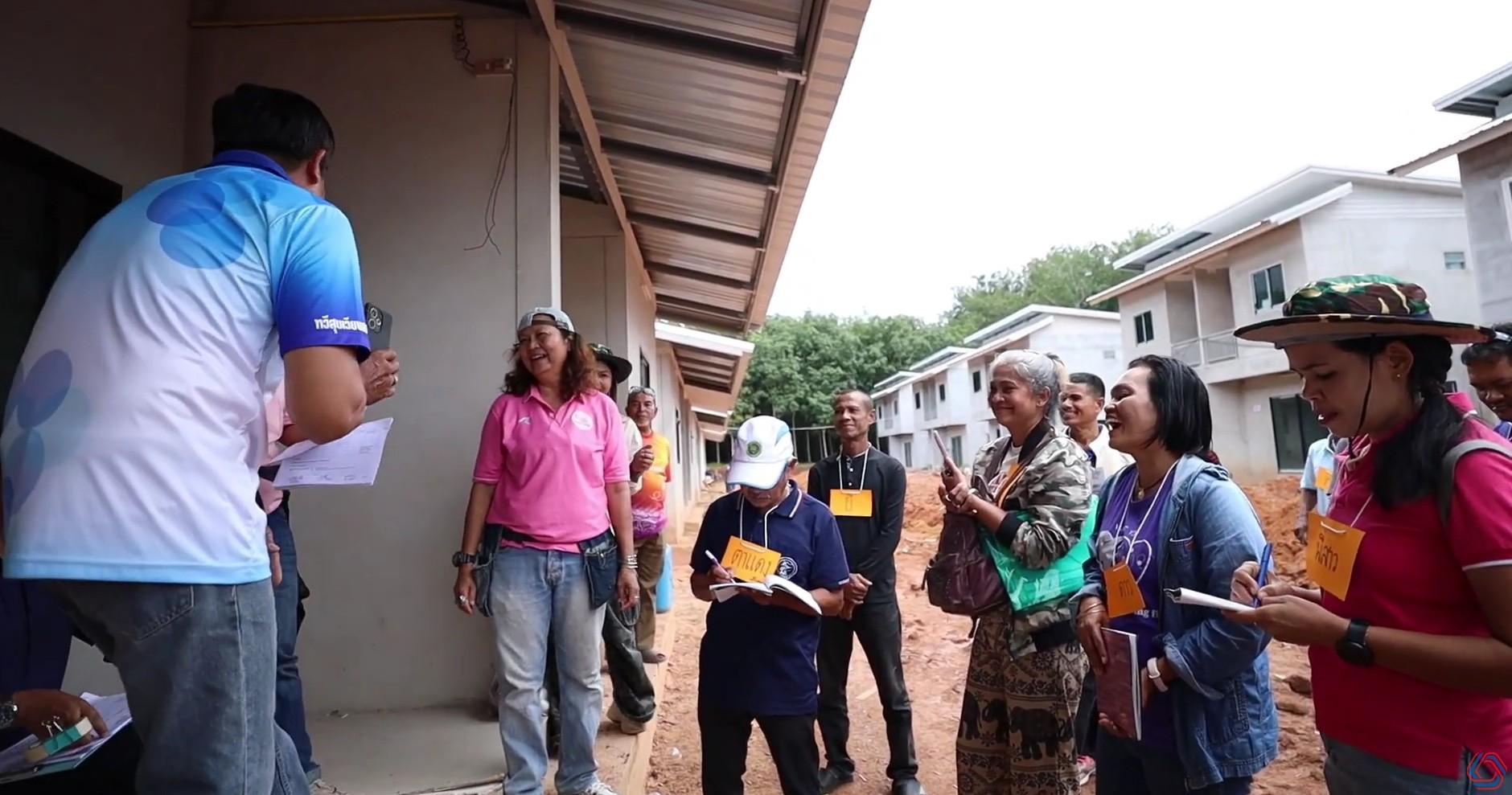
Baan Mankong Program is a housing development program tackling housing and quality of life problems of the poorest citizens nationwide. Launched by the Thai government in 2003, the program operates through a bottom-up approach that positions community members at the center of the development process, using community saving groups as its primary mechanism for mobilizing collective participation. In Baan Mankong communities, if you want to understand how things actually work, you follow women. They are data collectors and curators who know which family quietly fell behind on savings payments, which neighbor needs assistance, and which households will anchor a new initiative and which will need more time. This knowledge comes from years of being present, of caring, of paying attention in ways that Thai society assigned to women long before any housing program existed.
Women’s leadership, in this sense, was not something the program created. It was something the program found. The savings groups, the welfare funds, the community mapping, the negotiations with government agencies and community members, all of it runs on capacities that women developed through lives shaped by gender expectations, domesticity, caregiving, and the quiet management of household survival. What Baan Mankong program did was open a door into public space and let those capacities through. This article examines what happens at that threshold, not to romanticize women’s roles, nor to reduce their contributions to biology or tradition, but to take seriously the question of how gender shapes who holds communities together and what it makes possible.
Feminized Skills as Community Infrastructure
Much of what makes Baan Mankong work depends on skills that Thai society has long associated with women such as patience, attentiveness to relationships, the ability to negotiate without confrontation, and an understanding of people’s circumstances. They are capacities constructed by social expectations and norms placed on women from early life, through family roles, through caregiving, through managing household finances.
What Baan Mankong does is to bring those capacities into the public sphere of community organizing. The same attentiveness a woman applies to managing her household budget becomes the foundation for running a community savings group. The same relational awareness she develops through caregiving becomes the intelligence that informs community planning. As Somsook Boonyabancha observed, women carry detailed knowledge of community life, and that knowledge is not incidental. It is essential to the work.
“Baan Mankong housing movement simply cannot succeed without women. Women and men can work together. There should be an open opportunity for women as key drivers to play pivotal roles in networking and organizing. They bring the necessary attention to detail, continuity, and unwavering commitment the movement needs.”
– Somsook Boonyabancha, CODI advisor
This reframing matters. Skills that are often invisible in formal development frameworks because they are feminized and domestic turn out to be precisely what community-driven processes require. There is something specific about the way women engage in collective processes that deserves attention. When women participate in savings groups or housing committees, they tend to think not only about their own household but about the community as a whole. Several participants in community forums described this orientation as characteristic, women consider the long-term consequences, think about who will be left behind, and plan for contingencies such as what happens to a family’s housing payments if the household head falls ill.
This orientation produced concrete innovations in Baan Mankong, including community welfare funds designed to protect vulnerable households from losing their homes. These were not top-down program designs. They emerged from women’s existing formed habits of thinking about interdependence and collective security. Moreover, Sudjai Mingpruek described this quality through the image of knotgrass, a plant whose roots spread wide and hold the soil in place. Women, she suggested, are flexible on the surface, but anchored below, holding the community together in ways that are not always visible.
“Women care about a family leader’s life. It leads to the creation of funds, such as soil-protection and rehabilitation funds and housing funds. They are all rooted from the family care of women and a concern that who will pay for the house installment if they are gone. Women’s caring characteristics make them focus on small details better than men who tend to think of strategies and big pictures. Women are like Bermuda grass which its roots can prevent landslides.”
– Sudjai Mingpruek, Baan Mankong community and network member
Navigating Structure Through Relational Power
“Normally, regulations and relations in communities were designed by men. If we want to fight, we do not have that power. If we fought and played by the rules, we would never win. Today we got an answer. Women do not focus on regulations, we focus on reality.”
– Somsook Boonyabancha, CODI advisor
One of the more nuanced aspects of women’s roles in Baan Mankong is how they exercise power in contexts where formal authority still tends to rest with men. Rather than confronting institutional structures directly, women in these communities have developed what might be called relational power, the capacity to move things forward through negotiation, through reading situations carefully, and through knowing when and how to approach different people.
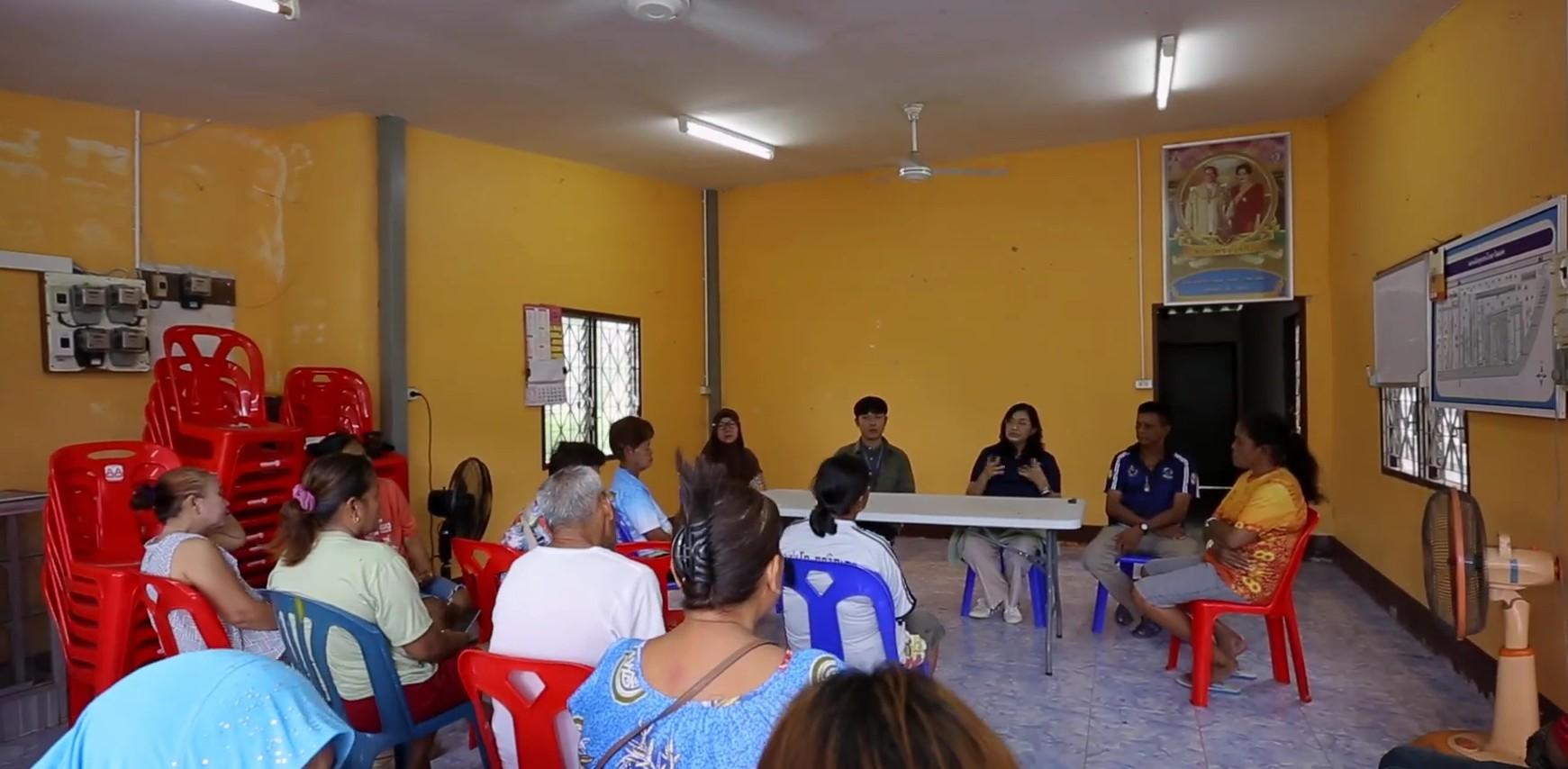
“What I have taken from women’s roles in development is that women are delicate and patient. When men face problems and injustice, they leave a project. They do not fight like us. But as women, we also have to respect men. Women manage communities like neighbor aunties taking care of children. Women protect projects and communities just like mothers. For negotiating with agencies, we have tricks. Men might confront emotionally or aggressively so women need to help de-escalate the situations as we know how to communicate.”
– Koramit Punya, Baan Mankong community member
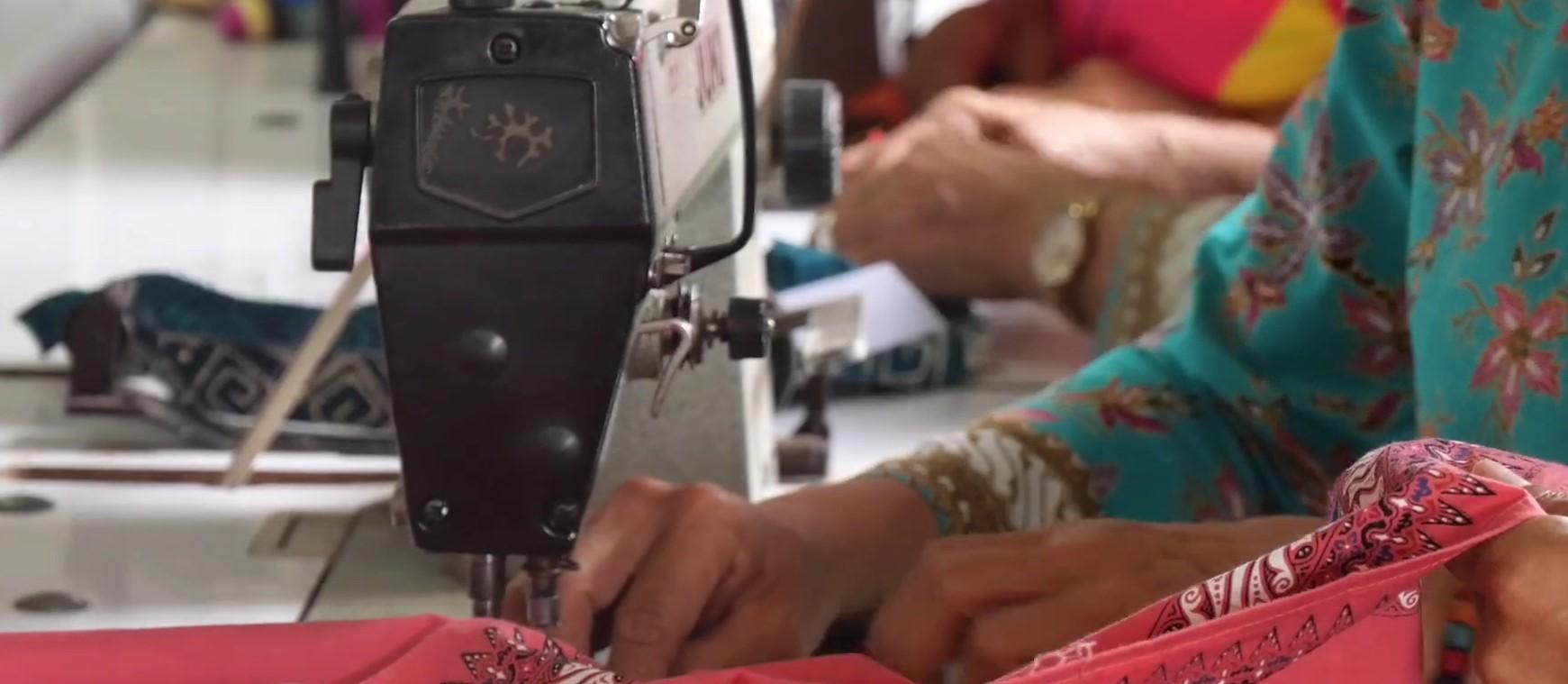
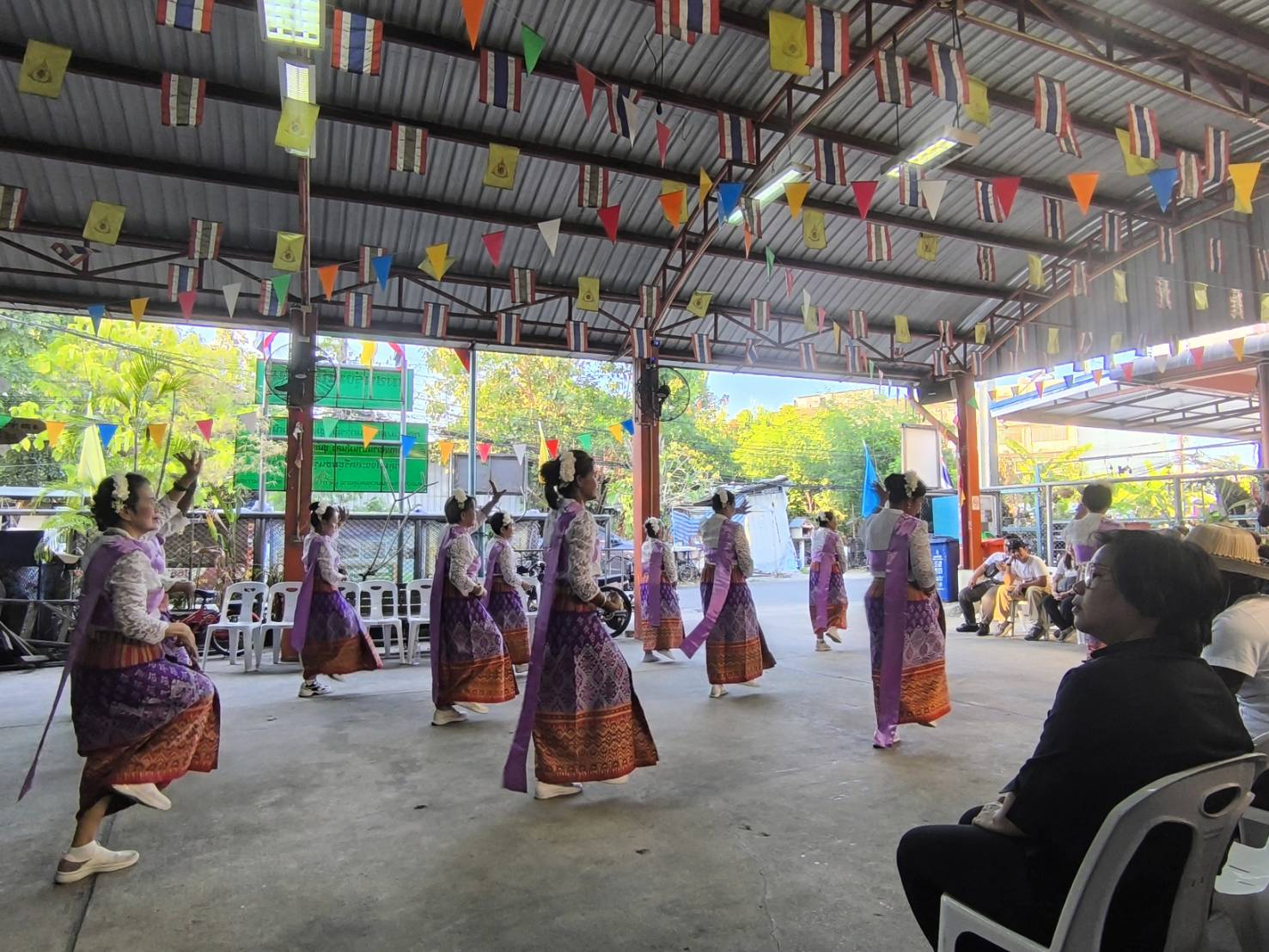
Women are likely to understand which community members will support a proposal, which will resist, and what approach is most likely to bring people toward agreement. That kind of political intelligence is what makes community organizing possible at the grassroots level. When conflicts arise, women in the community often step in to de-escalate because they understand that preserving relationships is what keeps collective processes alive. Additionally, as women in the community are likely to know neighbors in the extent of neighbors’ skills and interests as well. This often results in the creation of women-led groups such as a Paslop dance group, a cooking group, and a sewing group. This attention to process, not just outcome, is a defining feature of how women approach community governance.
What This Means for Community Development Practice
Highlighting women’s leadership and power in Baan Mankong isn’t just a matter of fairness or giving credit. It’s a necessary move that actually changes the way we build and fund community programs, ensuring they work better for everyone involved. First, the informal knowledge that women hold about community life needs to be recognized as a legitimate form of expertise, one that informs planning, conflict resolution, and resource allocation in ways that formal data collection often cannot capture. Second, the empathetic and relational work that women perform to sustain collective processes is real labor and essential. Third, opening space for women in community leadership is not only a matter of equity. It is a matter of effectiveness. Communities where women have meaningful roles in governance tend to produce more grounded, more sustainable, and more responsive outcomes. Baan Mankong offers a model not just of collective housing, but of what becomes possible when the capacities that women have developed and shined, through social expectation and lived experience alike, are brought fully into community life.