
by Pawinnut Chaiyasuan
From 15 to 21 July 2026, the Community Organizations Development Institute (CODI), under the Ministry of Social Development and Human Security, jointly implemented the International Training Programme on Community-Led Housing Development and Collective Housing in Thailand. The programme was funded and endorsed by the Thailand International Cooperation Agency (TICA), Ministry of Foreign Affairs, as part of Thailand’s continuing commitment to international development cooperation. 22 practitioners from 12 countries, spanning Southeast Asia, South Asia, East Asia, Central Asia, Europe, Africa, the Americas, and the South Pacific, took part in the seven-day programme. The cohort brought together senior urban policymakers, municipal engineers, academic researchers, and ministry-level housing and financing officials, reflecting the programme’s aim of reaching practitioners positioned to translate learning into institutional action.
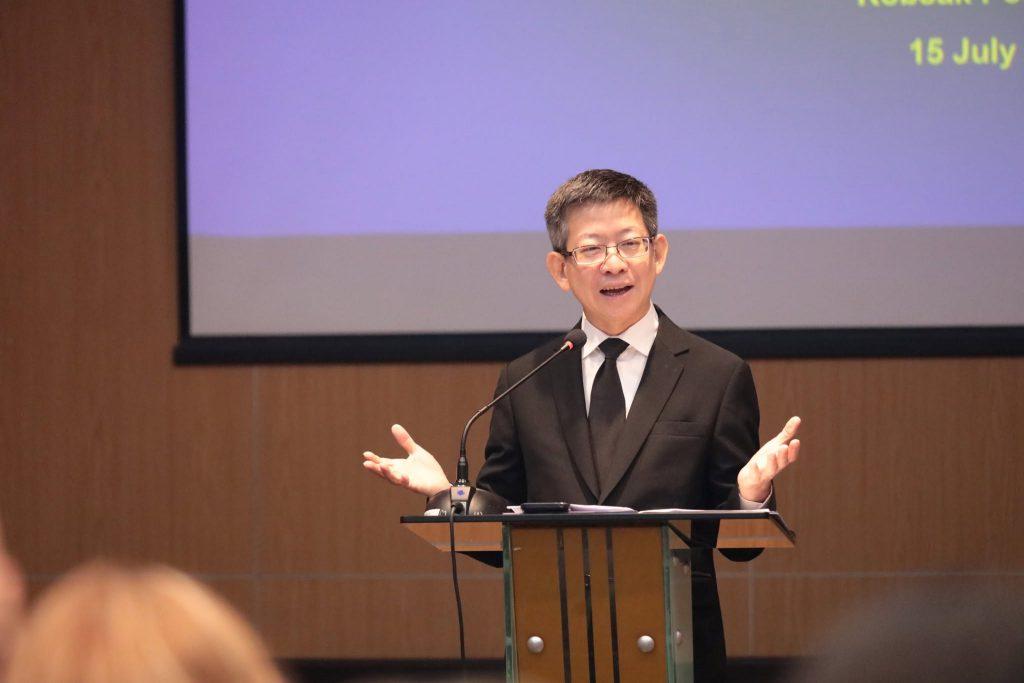
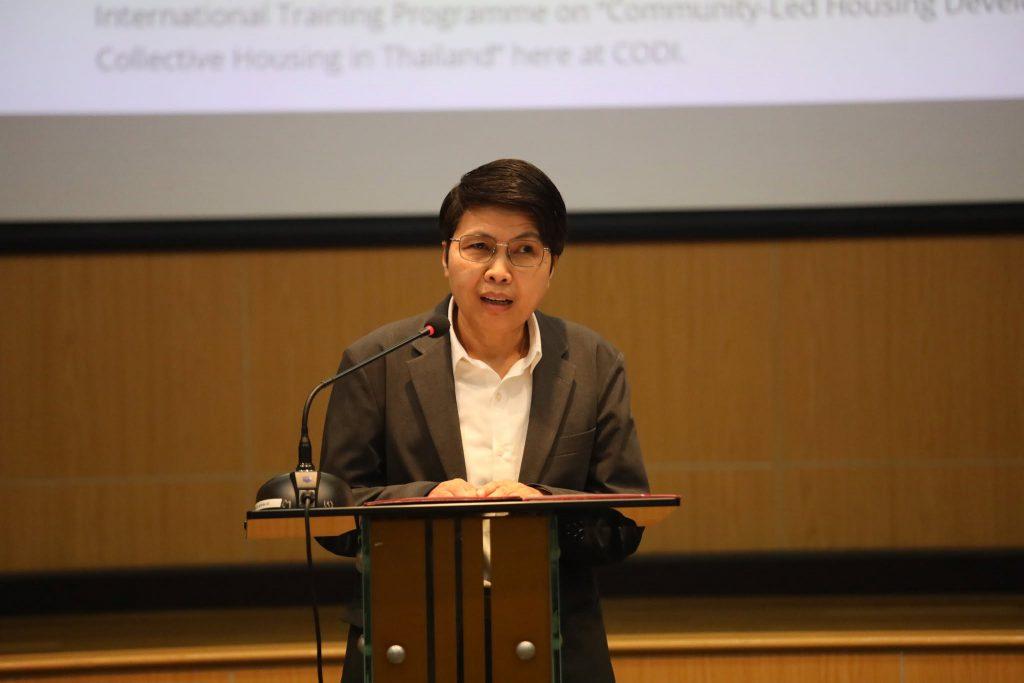
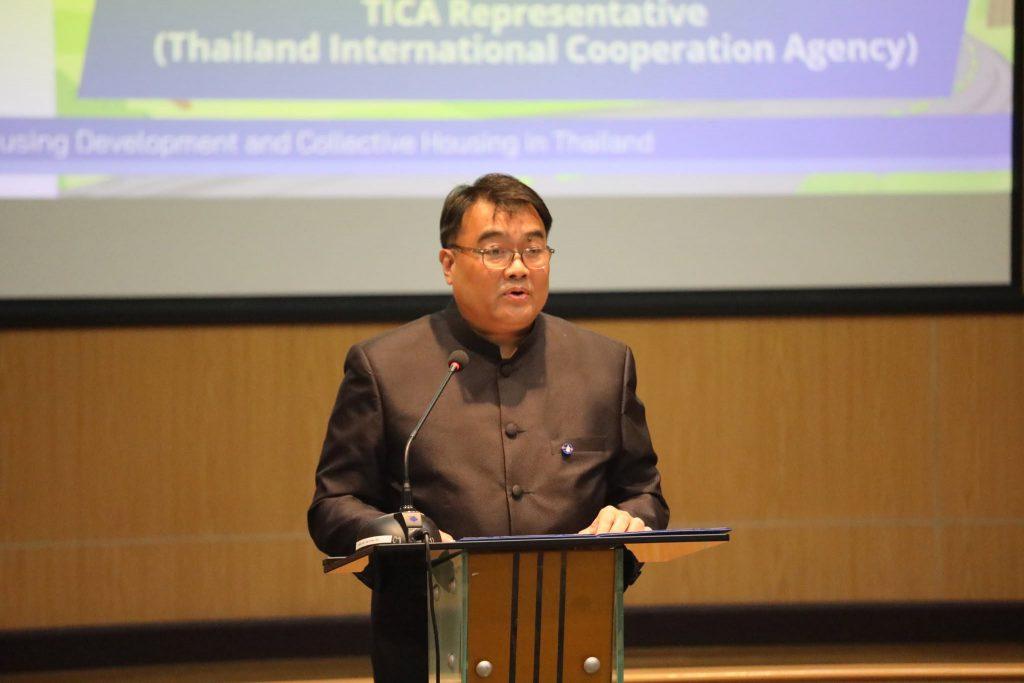
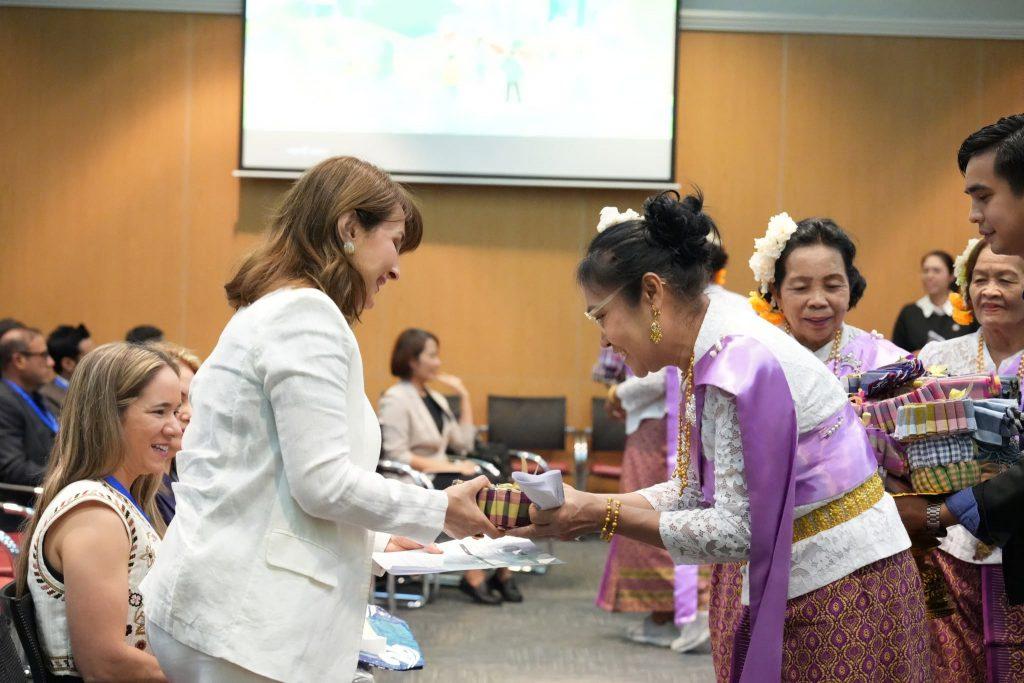
The opening ceremony brought together leaderships from both organizing institutions alongside representatives of the host community. Dr. Kobsak Pootrakool, Chairperson of the CODI Board, officially inaugurated the programme, calling for a shift away from conventional top-down development toward a bottom-up model in which communities themselves drive change. Ms. Chalermsri Radakul, Acting Director of CODI, welcomed the delegates and reaffirmed CODI’s commitment to strengthening community organizations through participation, multi-stakeholder collaboration, and international exchange. Lt. Sorawut Preedeedilok, Ambassador to Helsinki and Acting Representative of TICA, delivered the programme’s objectives on behalf of the funding agency, situating the training within Thailand’s broader commitment to the Sustainable Development Goals, particularly SDG 11 on sustainable cities and communities. Ms. Nucharee Phansom, representing Wang Thong Lang Community, welcomed participants on behalf of the host communities and presented commemorative souvenirs, marking the collaborative spirit that would define the programme’s field-based learning throughout the week.
Learning Thailand’s Community-Led Model
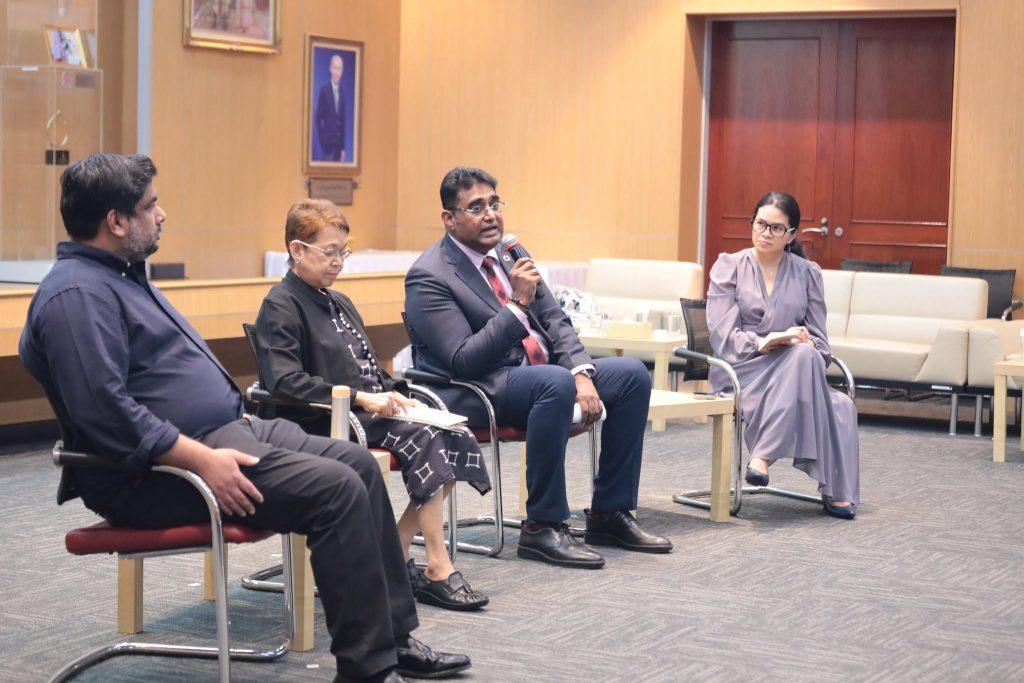
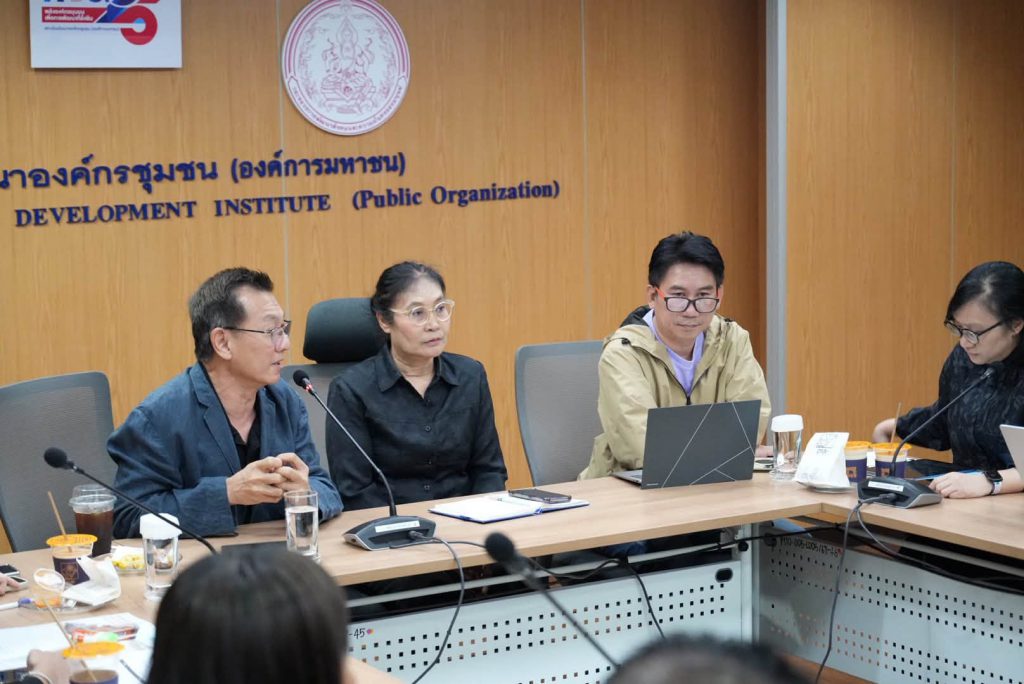
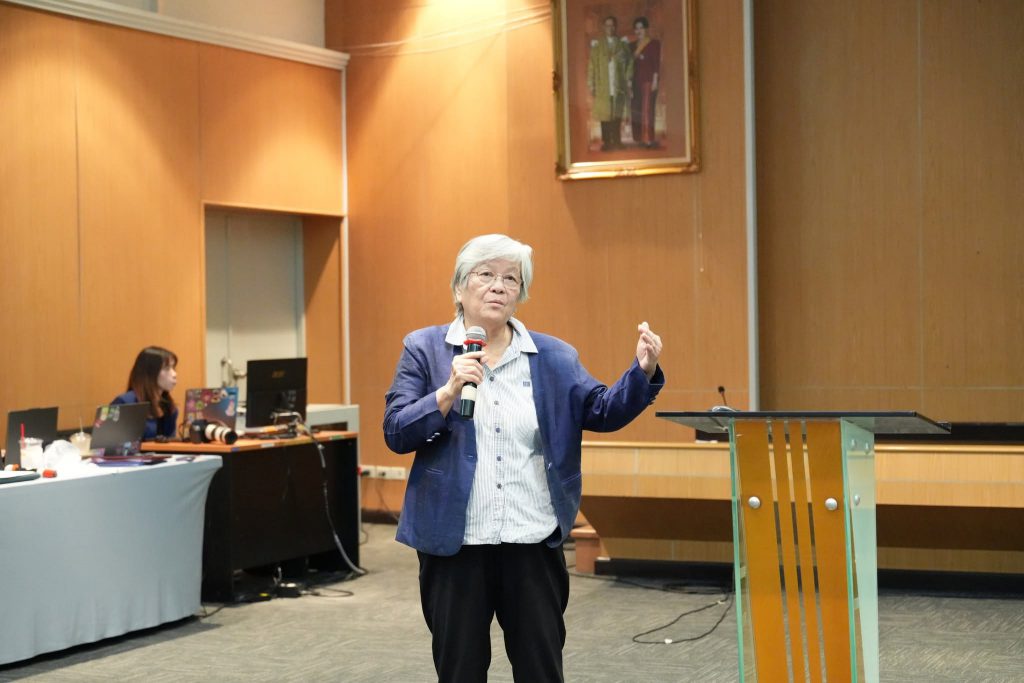
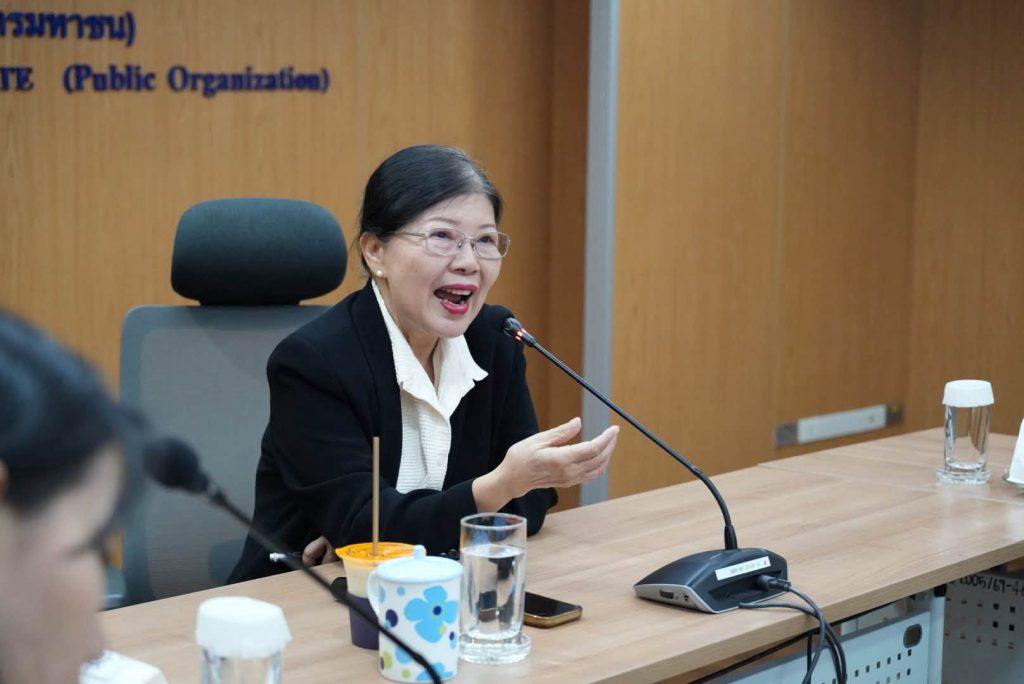
The programme was built around Thailand’s Baan Mankong Programme (Secure Land and Housing). Rather than treating housing as infrastructure delivered to communities, the Baan Mankong approach positions low-income community members as the primary decision-makers, managers, and planners of their own housing solutions, with government agencies, local authorities, and civil society organizations acting as supporting partners. Participants engaged with this model through 5 interconnected thematic areas: people-driven process, community finance, community organization, participatory design, and city-wide development. Instruction combined technical lectures and policy dialogue with panel discussions involving representatives from UN-Habitat, Asian Development Bank, National Human Rights Commission, Thai universities, NGOs, and community organizations themselves.
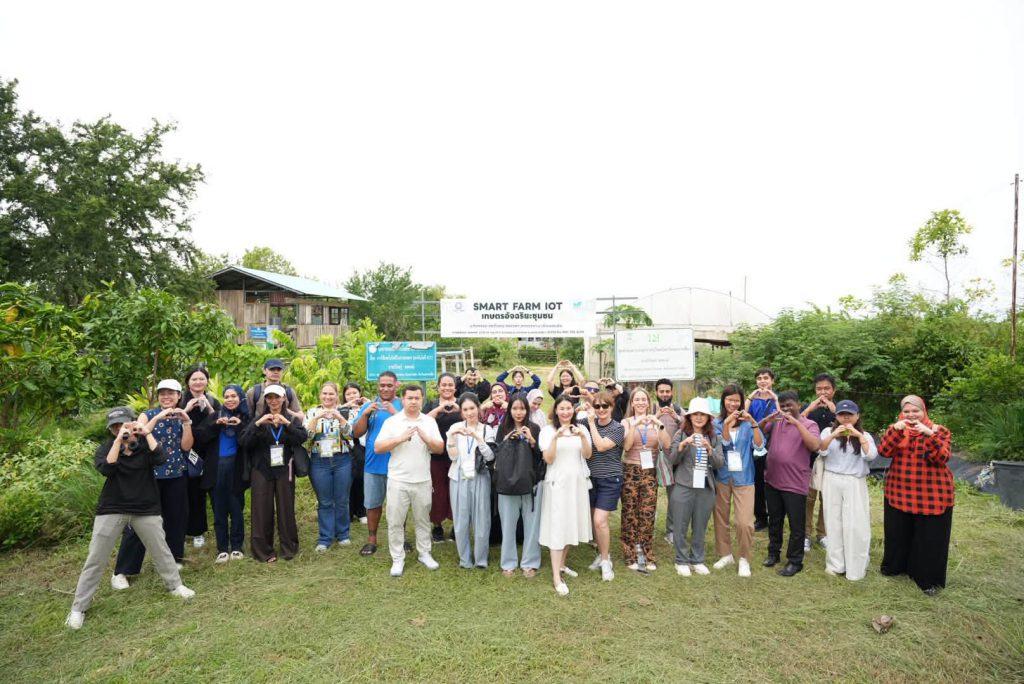
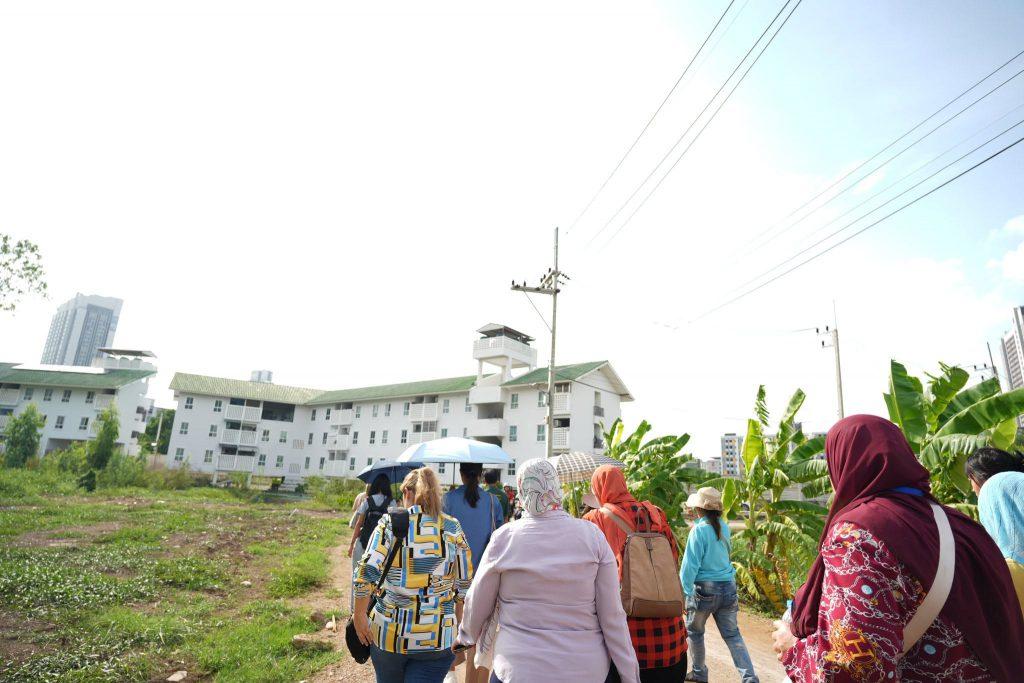
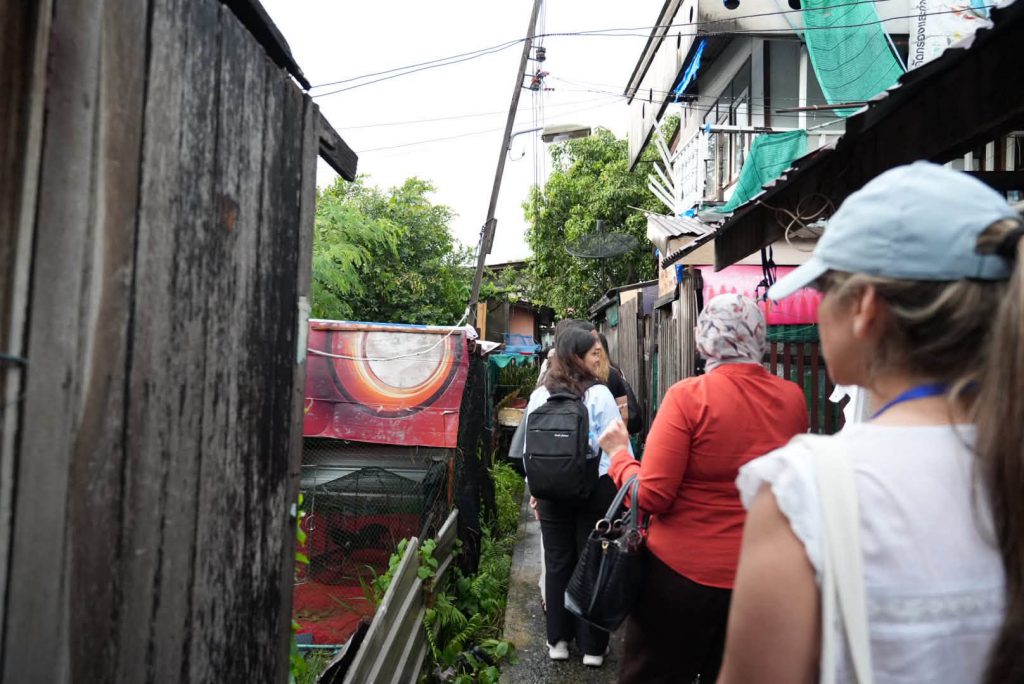
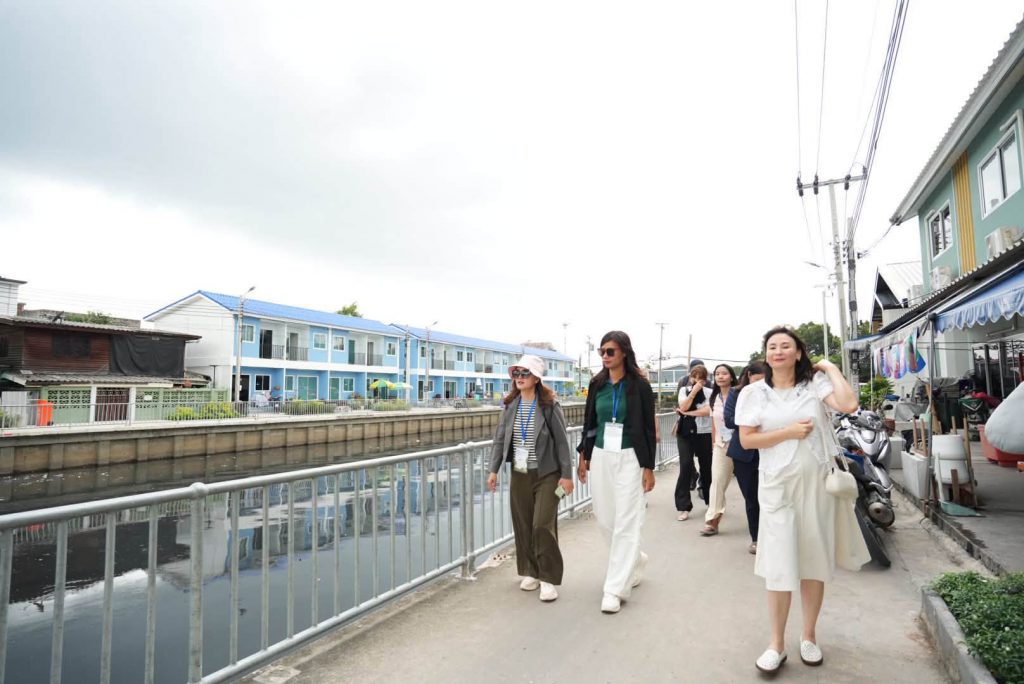
Field learning formed the core of the programme. Participants visited 6 community-led housing sites across Thailand. At Prachakorn 3 Community, participants observed how an informal canal-side settlement secured long-term land leases and rebuilt itself through collective savings and community-led construction, while also confronting the technical challenges of building along waterways. The visit to Wang Thong Lang, a district of more than 5,200 households, demonstrated city-wide upgrading in action, showing how CODI, community cooperatives, and multi-level governance structures coordinate housing finance and welfare programmes at scale. In Pak Chong, Nakhon Ratchasima Province, participants saw how landless farming households secured debt-free housing through land reform partnerships, then built household income through organic agriculture, appropriate technology, and the Sufficiency Economy Philosophy. The Pathum Thani Housing Development Project showcased a flexible model combining resettlement, on-site upgrading, and collective land purchase, developed jointly with Thammasat University and local authorities. At the Suwit Watnoo Homeless Center, participants encountered a facility designed, built, and self-managed by Bangkok’s homeless community, offering savings groups, livelihood support, and healthcare alongside shelter, a model that has since influenced national homelessness policy. Finally, the visit to Fahmai Ruamjai Pattana Community in Taling Chan District illustrated the long process of negotiating secure land tenure on State Railway of Thailand land, where sustained community organizing led to a 30-year lease agreement shaped directly by community members rather than imposed upon them. Across all 6 sites, participants engaged directly with community leaders and members, grounding the week’s technical and policy discussions in the lived realities of community-led housing practice.
From Learning to Action: 12 Country Action Plans
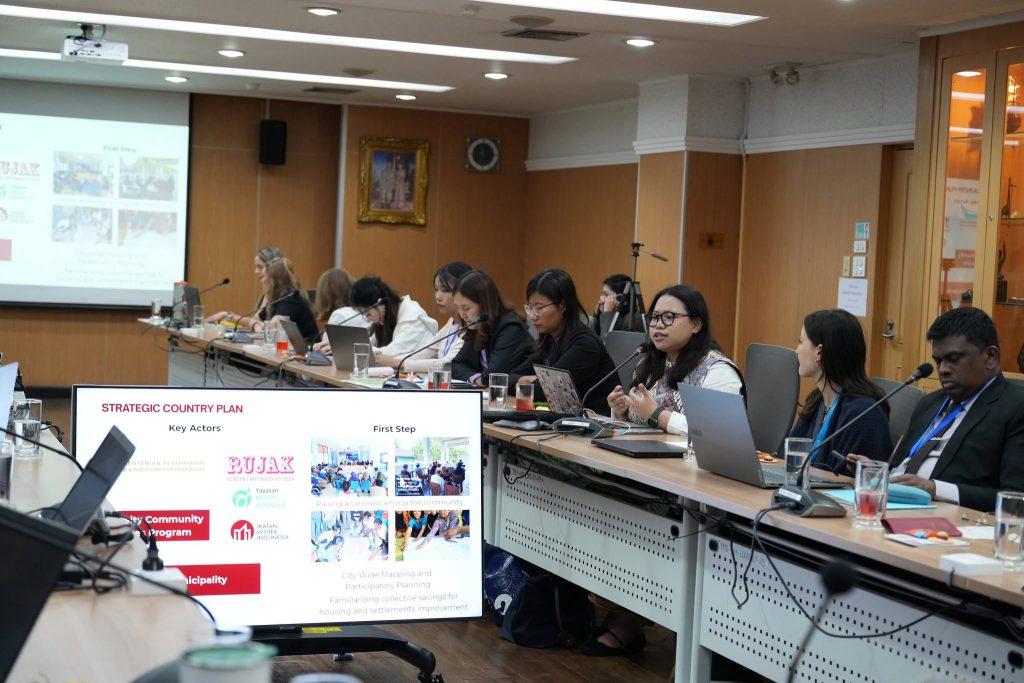
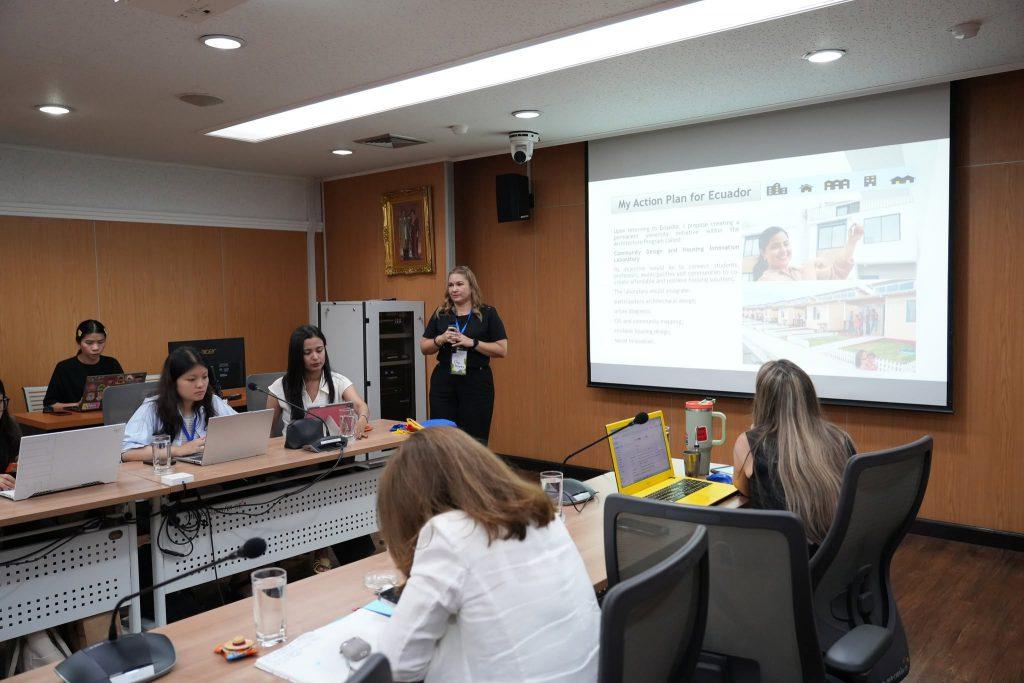
A defining outcome of the programme was the development of 12 country-specific Action Plans, through which delegations translated the principles of the Baan Mankong model into strategies suited to their own legal, institutional, and socio-economic contexts. These plans fell into three broad categories: academic and university-led innovation initiatives, such as Ecuador’s proposed community design laboratory and Paraguay’s university-community co-design partnership; community-level pilot and settlement upgrading projects, including proposals from Azerbaijan, Bhutan, Egypt, Myanmar, Pakistan, and Uzbekistan, and national policy integration efforts, exemplified by China’s urban renewal framework, Indonesia’s proposed shift toward neighborhood-wide upgrading, Samoa’s community registration framework, and Sri Lanka’s national policy concept paper.
The 2026 programme shows that Thailand’s decades of experience in community-led housing, built and refined through the Baan Mankong Programme, continues to offer practical, adaptable lessons for practitioners confronting housing insecurity in different national contexts. What distinguishes this training is both the knowledge transferring and the network created from the programme. 12 government and institutional delegations now carry forward ideas of bottom-up approach, Action Plans, and a shared commitment among CODI, TICA, and participating countries to sustain this exchange through technical advisory support, joint research, and potential regional cooperation platforms. The real measure of success will be what happens next, as pilot projects get underway, policies are adapted, and communities in twelve countries begin taking a more active role in shaping their own housing solutions.
